Plumbing Services in Auburn, Maine
Auburn, Maine endures harsh Northeast winters where temperatures regularly plummet below freezing, putting extraordinary stress on water heaters that must work harder to maintain temperatures and on pipes vulnerable to expansion and contraction. The city's location along the Androscoggin River means high water tables and spring snowmelt create serious basement flooding risks, making reliable sump pump systems essential rather than optional for many homeowners. Meanwhile, humid summers force plumbing systems to adapt to thermal expansion cycles that can loosen fittings and accelerate corrosion in older components.
Many Auburn residences date from the textile mill era or mid-century suburban expansion, meaning homeowners frequently grapple with galvanized steel pipes, outdated fixture connections, and sewer lines showing decades of wear. Neighborhoods like New Auburn and the historic districts feature homes built between 1880 and 1960, where original plumbing infrastructure struggles with modern water demands and contemporary appliance installations. These aging systems often develop chronic issues including sediment-choked water lines, deteriorating wax rings, and insufficient drainage capacity that newer construction avoids.
The municipal water supply in Auburn contains moderate hardness levels that accelerate mineral accumulation in water heaters and leave stubborn deposits in toilet bowls and garbage disposal chambers. Seasonal temperature swings—sometimes forty degrees within a single day during shoulder seasons—cause pipes to expand and contract repeatedly, stressing joints and accelerating wear on seals and gaskets. Additionally, Auburn's mature tree canopy, particularly in established neighborhoods with century-old maples and oaks, sends roots searching toward aging clay sewer lines, creating blockages that back up into homes during heavy rain events.
What We Cover in Auburn
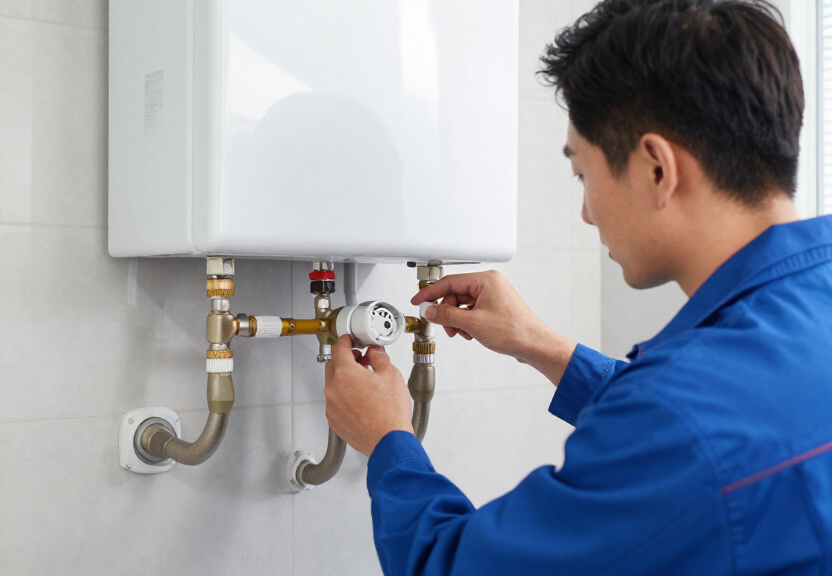
Water Heater in Auburn
Auburn's cold winters and moderately hard water shorten water heater lifespan through accelerated tank corrosion and heating element scaling. Professional installation ensures proper sizing for Maine's incoming water temperatures.
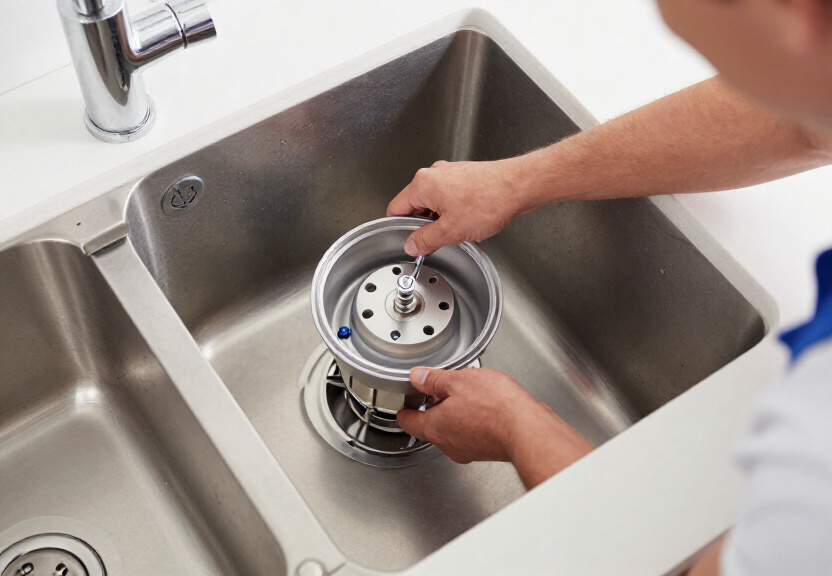
Garbage Disposal in Auburn
Auburn homeowners frequently encounter disposal jams from fibrous vegetables and coffee grounds, compounded by grease solidification during cold months. Proper installation prevents vibration damage to older sink plumbing common in local homes.
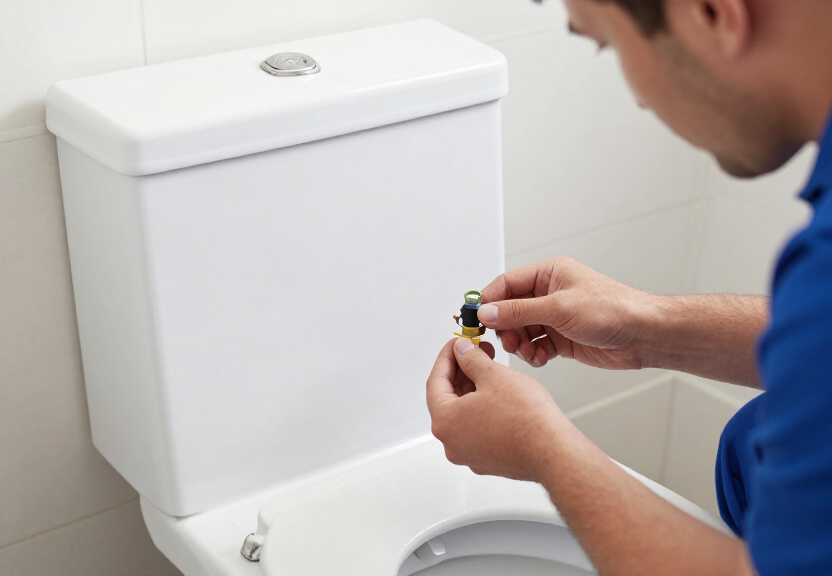
Toilet Repair in Auburn
Hard water mineral deposits degrade Auburn toilet flappers and fill valves faster than in soft-water regions. Aging brass and copper supply lines in older homes also develop corrosion that causes chronic running and leaking.
More Plumbing Solutions in Auburn, ME
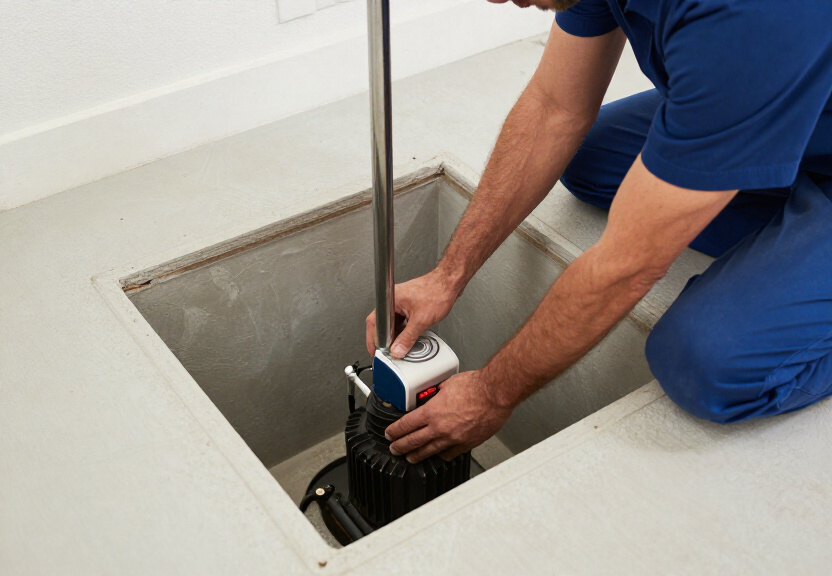
Sump Pump in Auburn
Auburn's high water table and spring snowmelt from the Androscoggin watershed create serious basement flooding risks. Battery backup systems prove essential during Northeast ice storms that knock out power.
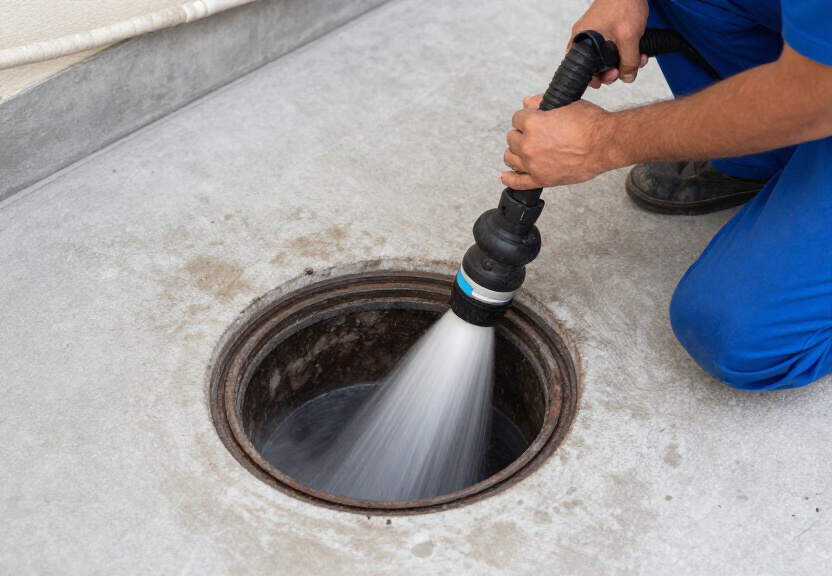
Sewer Cleaning in Auburn
Many Auburn neighborhoods retain clay sewer lines from the early 20th century, vulnerable to root intrusion from mature street trees. Professional cleaning prevents backups during spring thaw and heavy summer rains.
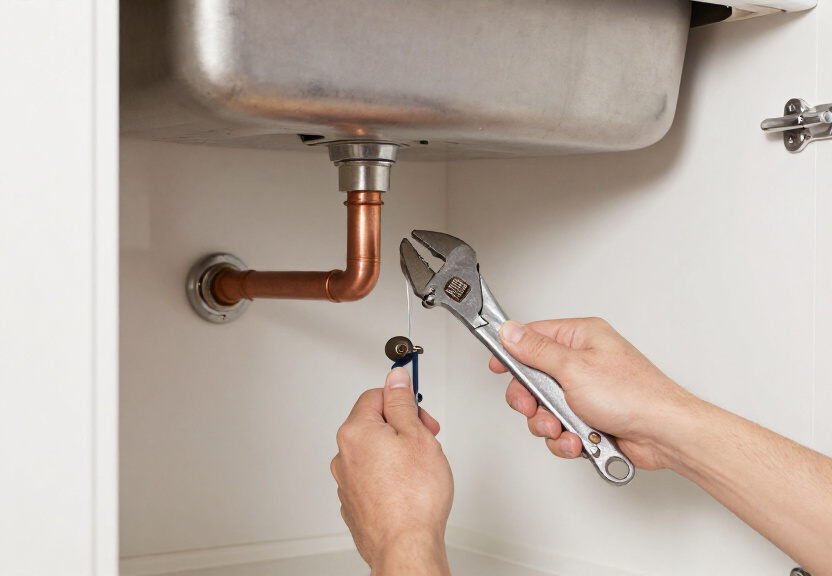
Pipe Leak Repair in Auburn
Auburn homes contain mixed pipe materials—galvanized steel in pre-1950s construction, copper in mid-century builds, and PVC in newer areas—all stressed by freeze-thaw cycles. Thermal expansion from cold, snowy winters to warm, humid summers loosens joints.
About Plumbing Service in Auburn
Auburn's water hardness, measuring approximately 60-80 parts per million, creates cumulative damage across plumbing systems that homeowners often overlook until failure occurs. Water heaters accumulate calcium scale on heating elements and tank bottoms, reducing efficiency by up to 25% and shortening operational life. Garbage disposal chambers develop mineral crust that traps food particles and causes odors, while toilet rim jets clog with deposits requiring aggressive cleaning or replacement. Whole-home water softening systems prove cost-effective investments for properties with chronic hard water symptoms.
Homeowners should monitor several warning signals indicating professional attention is needed. Discolored water—particularly rust-colored or cloudy appearances—suggests corroding galvanized pipes or failing water heater anode rods. Low pressure at specific fixtures often indicates localized blockages, while whole-house pressure drops point toward main line restrictions or municipal supply issues. Unusual sounds including hammering, whistling, or gurgling reveal air pockets, water hammer, or venting problems. Slow drains that resist plunging indicate deeper blockages, and unexplained water bill increases frequently reveal hidden leaks consuming hundreds of gallons monthly.
Auburn's housing stock spans from 19th-century mill worker cottages through mid-century ranch homes to contemporary construction, each presenting distinct plumbing challenges. Pre-1940s homes typically feature galvanized steel supply lines prone to internal corrosion and restricted flow, often requiring partial or complete replacement to support modern fixtures. Post-war construction utilized copper extensively but may contain problematic lead solder joints or deteriorating brass valves. Newer subdivisions employ PVC and PEX materials, though installation quality varies considerably. Understanding your home's construction era helps anticipate likely failure points and plan proactive upgrades before emergency situations develop.
Seasonal Plumbing Tips for Auburn
Winter: Auburn's cold, snowy winters demand vigilant pipe protection as temperatures regularly drop below zero. Insulate exposed pipes in unheated basements and crawl spaces, maintain consistent thermostat settings even when away, and allow faucets to drip during extreme cold snaps. Water heaters work hardest in January and February—flush sediment buildup annually and verify pressure relief valve function before the deep freeze arrives.
Spring: Snowmelt from the Androscoggin River watershed saturates Auburn's soil, raising groundwater levels and testing sump pump capacity. Test your pump by pouring water into the pit, verify discharge lines are clear of ice damage, and consider battery backup installation before April showers. Check basement walls for seepage indicating foundation drainage failures that overwhelm pumping systems.
Summer: Warm, humid Auburn summers bring cookout season and increased garbage disposal use—avoid disposing of corn husks, melon rinds, and fibrous materials that jam motors. Water heaters operate more efficiently in warmer months, making summer ideal for maintenance flushing and anode rod inspection. Increased water usage from gardening and recreation strains older municipal connections.
Fall: Before Auburn's cold, snowy winters return, disconnect outdoor hoses, drain irrigation systems, and insulate exterior spigots to prevent freeze damage. Tree roots seek moisture in sewer lines most aggressively in autumn—schedule camera inspection if you've experienced slow drains. Verify water heater combustion chambers are clear of debris and test emergency shutoffs before heating season demands peak performance.
Plumbing FAQ - Auburn, ME
Auburn's cold winters and moderately hard water reduce typical water heater lifespan to 8-12 years for tank models, with annual maintenance including sediment flushing and anode rod replacement extending service life significantly.
Safe disposal items include soft food scraps and small quantities of citrus peels, while Auburn homeowners should avoid fibrous vegetables, coffee grounds, grease, bones, and starchy pastes that cause jams and pipe blockages.
Running toilets in Auburn typically result from hard water degraded flappers, misaligned chains, or failing fill valves, while leaks around the base usually indicate deteriorated wax rings or corroded closet bolts requiring replacement.
Battery backup systems are strongly recommended for Auburn homes given Northeast ice storm power outages and spring snowmelt flooding risks that can overwhelm primary pumps and flood basements within hours.
Multiple fixtures draining slowly simultaneously, gurgling sounds from toilets when sinks drain, sewage odors in basements, and lush green patches in yards during dry periods indicate Auburn's common root intrusion or clay pipe deterioration issues.
Licensed Auburn plumbers employ acoustic listening devices, thermal imaging cameras, pressure testing equipment, and video pipe inspection to pinpoint leaks without destructive wall or floor removal.
Request the plumber's Maine license number and verify active status through the Maine Office of Professional and Occupational Regulation, confirming both journeyman or master plumber credentials and current liability insurance coverage.
Before Auburn's cold, snowy winters arrive, insulate exposed pipes in unheated spaces, seal foundation cracks admitting cold air, maintain indoor temperatures above 55°F, disconnect outdoor hoses, and know your main water shutoff location for emergency response.