Plumbing Services in Augusta, Maine
Augusta's position in the heart of Maine subjects residential plumbing systems to one of the Northeast's most demanding climate cycles. Bitter winters regularly plunge temperatures below zero, placing extraordinary stress on water heaters that must work harder to maintain consistent temperatures while risking frozen pipes in unheated crawl spaces and exterior walls. The spring thaw brings its own challenges, as snowmelt and seasonal rains saturate the Kennebec River valley's clay-heavy soils, pushing groundwater against foundations and testing sump pump capacity when homeowners need it most.
The housing landscape in Augusta reflects its long history as Maine's capital, with neighborhoods ranging from 19th-century Victorians near the State House to mid-century ranches and newer developments along the Belgrade Road corridor. Older homes frequently contain galvanized steel pipes that corrode from within, while even properties built in the 1970s and 80s may feature copper systems now approaching the end of their functional lifespan. Homeowners throughout the city commonly report low water pressure, discolored tap water, and recurring drain clogs—symptoms that often trace back to deteriorating infrastructure rather than simple fixture failures.
Water quality in Augusta presents distinct challenges for plumbing maintenance. The municipal supply, drawn from the Kennebec River and treated at the city's water treatment facility, carries moderate to high mineral content that accelerates scale buildup in water heaters and etches toilet flappers and fill valves. Garbage disposals suffer particular abuse as residents deal with the remnants of hearty Maine cooking—potato peels from chowders, fibrous vegetables from summer gardens, and grease that solidifies in pipes during cold snaps. The humid summers compound these issues by promoting condensation on toilet tanks and encouraging mold growth in damp basement environments where sump pumps operate.
What We Cover in Augusta
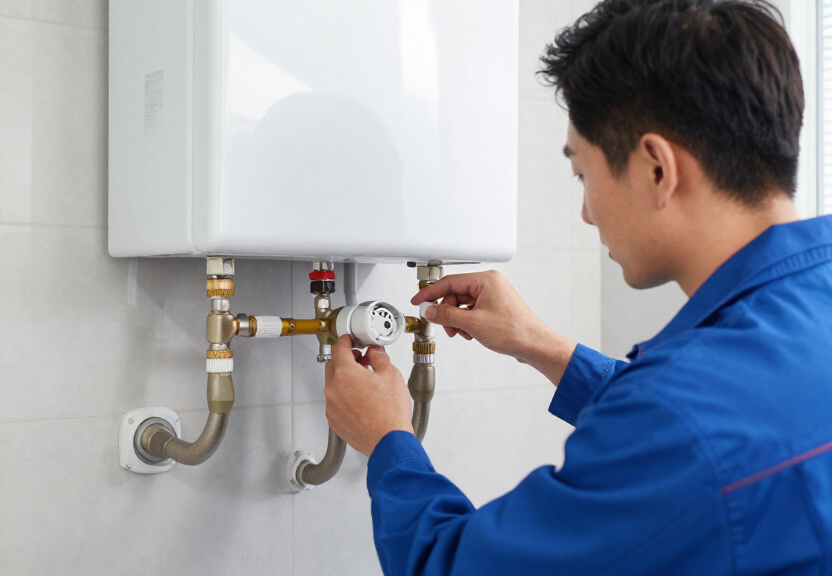
Water Heater in Augusta
Augusta's hard water and extreme temperature demands shorten water heater lifespans. Mineral sediment accumulates faster in tanks here, while units work overtime during cold snaps. Professional maintenance helps Augusta homeowners maximize efficiency before replacement becomes necessary.
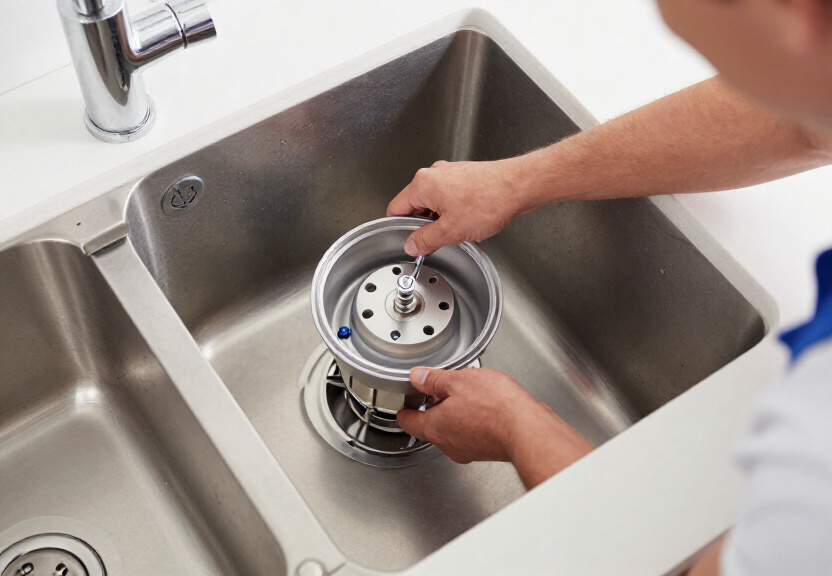
Garbage Disposal in Augusta
Kitchen disposals in Augusta face unique challenges from local cooking habits and water conditions. Hard water minerals corrode components, while fibrous vegetables and starchy residues common in regional cuisine cause frequent jams. Proper installation and periodic maintenance extend disposal service life.
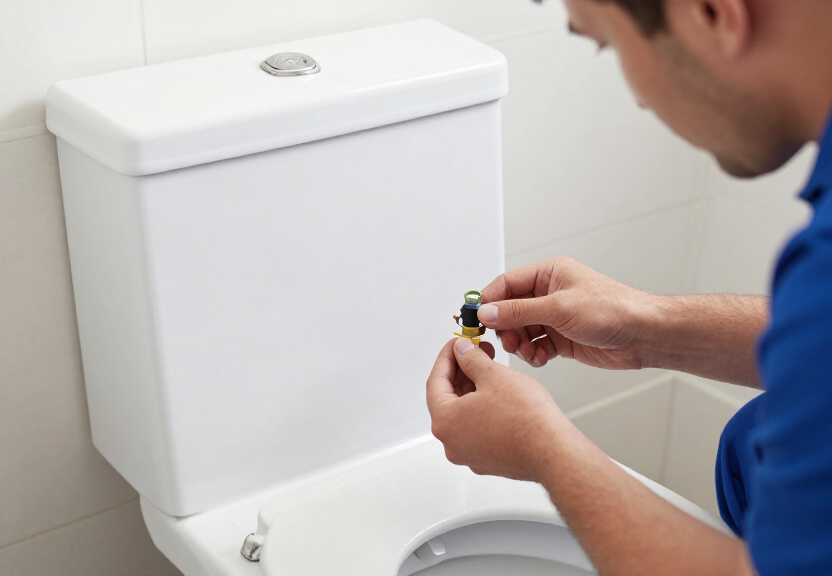
Toilet Repair in Augusta
Toilet problems plague Augusta homes due to mineral-rich water and aging components. Hard water deposits degrade flapper valves and fill mechanisms, causing silent leaks that inflate water bills. Corroded tank bolts and compromised wax rings also demand attention in older properties throughout the capital region.
More Plumbing Solutions in Augusta, ME
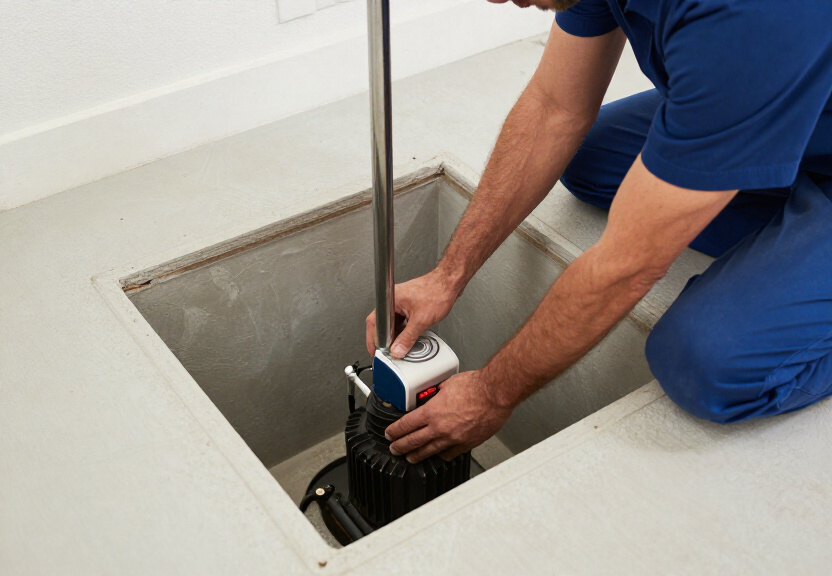
Sump Pump in Augusta
Augusta's clay soils and seasonal precipitation patterns create significant basement flooding risks. Spring snowmelt and summer thunderstorms overwhelm inadequate drainage systems. Battery backup systems prove essential given Maine's frequent winter power outages when groundwater pressure peaks.
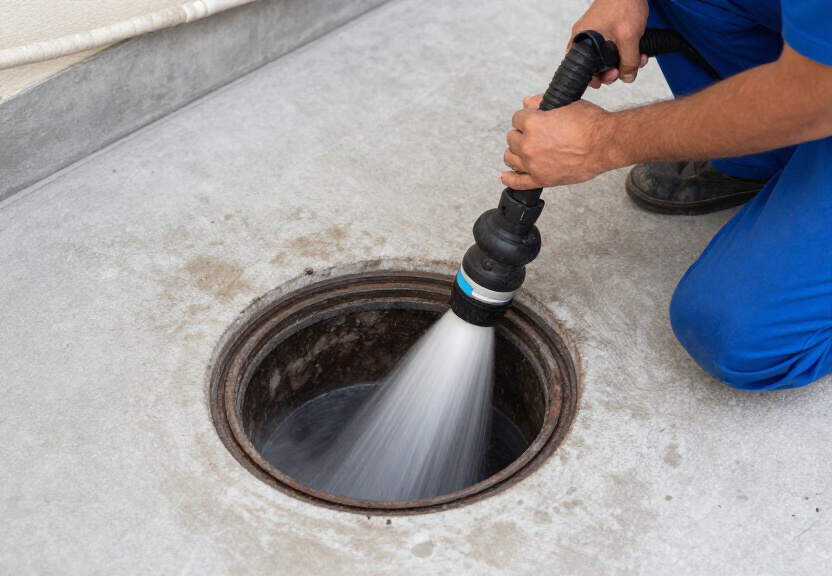
Sewer Cleaning in Augusta
Many Augusta neighborhoods contain original clay sewer lines susceptible to root intrusion from mature maples and oaks. Decades of ground settling create bellies where waste accumulates. Professional hydro jetting and camera inspection identify problems before backups damage finished basements in hillside homes.
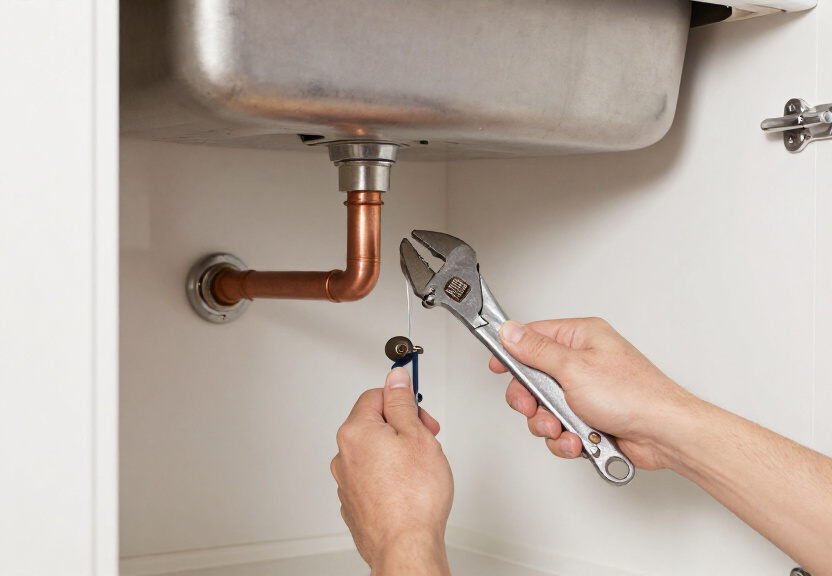
Pipe Leak Repair in Augusta
Augusta's freeze-thaw cycles stress pipes of every material common in local homes. Galvanized steel corrodes internally while copper develops pinhole leaks from acidic water conditions. PVC expands and contracts dramatically between winter's deep freezes and summer's humid warmth, stressing joints throughout the system.
About Plumbing Service in Augusta
Water hardness in Augusta typically measures 60-120 ppm depending on seasonal river conditions, enough to create measurable scale accumulation in water heaters and accelerate wear on rubber components throughout plumbing systems. Tank-style water heaters in the capital region often require annual flushing to remove sediment that hardens into concrete-like deposits, while tankless units demand regular descaling to maintain flow rates. Garbage disposal splash guards and mounting assemblies deteriorate faster in hard water environments, and toilet fill valves may need replacement every 3-5 years rather than the decade-plus lifespan possible in softer water regions. Homeowners noticing white crust on fixtures or reduced soap lathering should consider water softening options to protect their plumbing investments.
Warning signs demanding prompt professional attention include water that runs brown after main breaks or hydrant flushing, pressure drops affecting multiple fixtures simultaneously, and gurgling sounds from drains that suggest venting problems or sewer line obstruction. Unexplained increases in water bills often indicate silent toilet leaks or underground pipe fractures, particularly common in Augusta's older neighborhoods where galvanized mains have been replaced but lateral connections remain original. Sump pumps that cycle more frequently than in past seasons, or operate continuously during dry spells, may indicate failed check valves or overwhelmed drainage fields requiring evaluation before the next weather event.
Augusta's housing stock spans nearly two centuries of construction practices, each presenting distinct plumbing characteristics. Pre-1950 homes frequently contain lead service lines and galvanized interior piping that corrodes from within, often revealing itself as rusty water and progressive pressure loss. Mid-century properties along routes like Western Avenue may feature copper systems now approaching 70 years of service, with original solder joints becoming failure points. Newer subdivisions employ PVC and PEX materials better suited to Maine's climate, though even these benefit from proper insulation and support given Augusta's temperature extremes. Understanding your home's construction era helps anticipate which systems require proactive attention.
Seasonal Plumbing Tips for Augusta
Winter in Augusta demands vigilant pipe protection as temperatures routinely drop below zero for extended periods. Homeowners should maintain consistent thermostat settings even when away, open cabinet doors beneath sinks to allow warm air circulation, and consider insulating pipes in unheated basements and crawl spaces common in older homes near the downtown corridor. Water heaters operating in 40-degree incoming water temperatures work significantly harder than in warmer climates, making annual sediment flushing and anode rod inspection particularly valuable for extending equipment life through harsh Maine winters.
Spring arrives with snowmelt that saturates Augusta's clay soils and tests every sump pump in the Kennebec Valley. Homeowners should verify pump operation by pouring water into the pit, check discharge lines for freeze damage, and ensure battery backup systems hold full charge before the April-May rainy season. Basements in neighborhoods like those near Cony High School, built on former floodplain areas, face particular vulnerability as groundwater tables rise and the Kennebec swells with upstream runoff.
Summer humidity in Augusta creates condensation issues on toilet tanks and promotes mold growth in damp basement corners where dehumidifiers compete with sump pumps for electrical capacity. Garbage disposals encounter peak demand during cookout season, yet homeowners should avoid grinding corn husks, celery strings, and potato peels that tangle blades. Water heaters may show reduced efficiency as mineral scale hardens in tanks heated repeatedly during high-demand periods when vacationing families return to full occupancy.
Fall preparation proves critical before Augusta's first hard freeze, typically arriving by late October. Outdoor hose bibs require shutoff and drainage, while irrigation systems need professional blowout to prevent costly freeze damage. Sewer lines face renewed root intrusion as trees seek moisture before dormancy, making October camera inspections prudent for properties with mature landscaping. Water heater maintenance completed in autumn ensures reliable performance when incoming water temperatures plummet and heating demands peak through the heating season ahead.
Plumbing FAQ - Augusta, ME
Tank water heaters in Augusta's hard water conditions usually serve 8-12 years with proper maintenance, while tankless units may reach 15-20 years if descaled annually to combat mineral buildup from the Kennebec River supply.
Avoid fibrous vegetables like celery and rhubarb common in Maine gardens, starchy potato peels that create glue-like paste, grease that solidifies in cold pipes, and coffee grounds that accumulate in drainage systems.
Hard water minerals in Augusta's supply degrade rubber flapper valves within 3-5 years, while corroded fill valves and compromised tank-to-bowl gaskets in older homes allow continuous water waste that increases utility bills significantly.
Given Maine's frequent winter ice storms and summer thunderstorms that cause power outages precisely when groundwater pressure peaks, battery backup systems provide essential protection for finished basements throughout the Kennebec Valley.
Multiple drains clogging simultaneously, sewage odors from basement floor drains, lush green patches in yards during dry spells, and gurgling toilets when washing machines discharge indicate potential root intrusion or collapsed clay pipes common in mature neighborhoods.
Licensed professionals employ acoustic listening devices, thermal imaging cameras to identify temperature variations behind walls, and pressure testing to isolate leak locations without destructive exploration of finished spaces.
Confirm active licensure through the Maine Office of Professional and Occupational Regulation, request proof of liability insurance and workers' compensation coverage, and verify familiarity with local water conditions and Augusta's permit requirements.
Drain outdoor faucets and irrigation systems before first freeze, insulate pipes in unheated spaces, maintain indoor temperatures above 55 degrees, and identify your main water shutoff location to minimize damage if pipes freeze despite precautions.