Plumbing Services in Lewiston, Maine
Lewiston's position in the Androscoggin River valley subjects homes to dramatic seasonal temperature swings that test plumbing systems year-round. Cold, snowy winters routinely drop temperatures below zero, putting immense strain on water heaters working overtime to maintain comfortable temperatures while pipes battle expansion and contraction cycles. Many Lewiston residences, particularly the historic mill-worker housing in neighborhoods like Tree Street and the Little Canada district, contend with aging infrastructure originally designed for coal-era heating systems. These temperature extremes accelerate wear on tank-style water heaters and create perfect conditions for basement flooding when spring thaws arrive.
Homeowners throughout Lewiston frequently encounter plumbing challenges tied to the city's industrial heritage and housing evolution. Many properties date to the textile boom era of the late 1800s and early 1900s, featuring original galvanized steel piping that corrodes from within and restricts water flow. Even mid-century ranch homes in the suburban developments off Sabattus Street often retain copper systems installed during Lewiston's post-war expansion. Common complaints include persistent low water pressure, rust-colored water from deteriorating interior pipes, and recurring drain clogs in kitchens where generations of cooking grease have accumulated in century-old waste lines.
The municipal water supply in Lewiston, drawn from Lake Auburn and groundwater sources, carries moderate hardness levels that quietly damage plumbing fixtures over time. Calcium and magnesium deposits accumulate in toilet tank mechanisms, causing flapper valves to seal improperly and triggering continuous running that inflates water bills. These mineral deposits also strain garbage disposal units, dulling blades faster than in softer-water regions and jamming mechanisms when homeowners grind fibrous vegetables common in local Franco-American cuisine. Seasonal temperature swings further complicate matters, as warm, humid summers accelerate corrosion in exterior fixtures while winter freeze-thaw cycles stress toilet wax rings and connection points throughout the system.
What We Cover in Lewiston
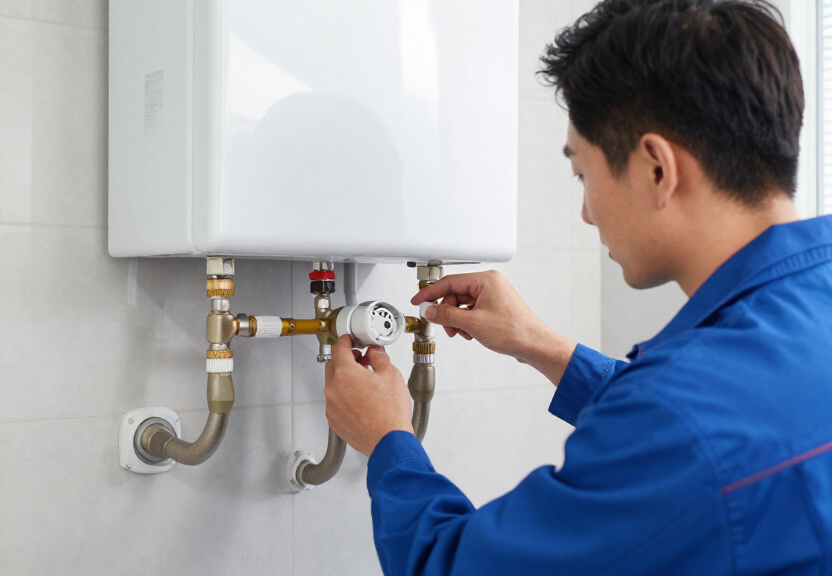
Water Heater in Lewiston
Lewiston's hard water and extreme temperature demands shorten traditional tank water heater lifespans. Mineral accumulation reduces efficiency while winter strain accelerates component failure. Tankless and high-efficiency options perform well in Maine's climate.
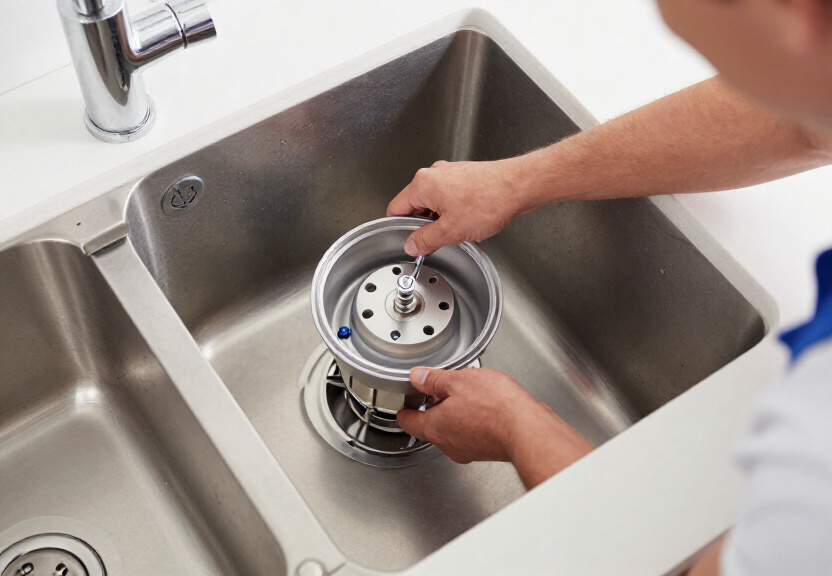
Garbage Disposal in Lewiston
Lewiston homeowners frequently deal with disposal jams from potato peels, celery, and fibrous vegetables common in local cooking. Hard water mineral deposits dull blades faster here than in softer-water regions. Proper installation ensures reliable performance.
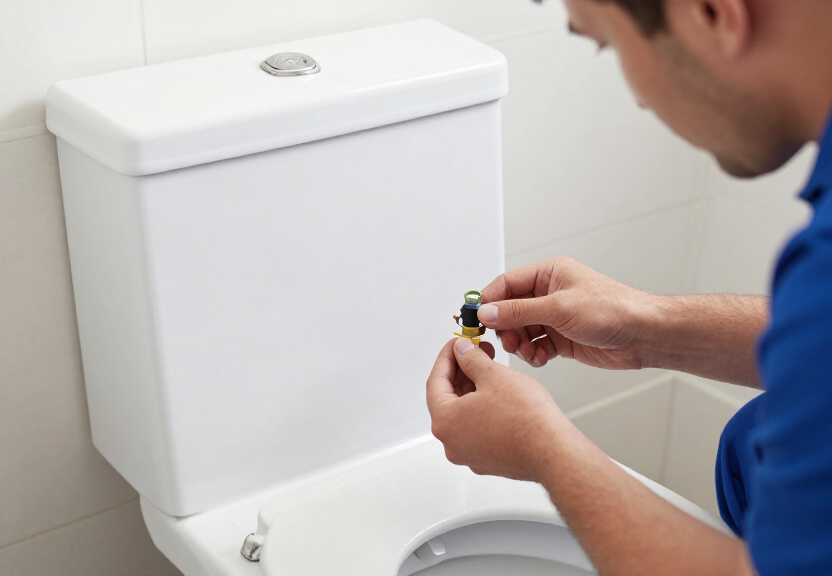
Toilet Repair in Lewiston
Hard water from Lake Auburn and local aquifers leaves mineral deposits on Lewiston toilet flappers and fill valves, causing continuous running and phantom flushes. Aging wax rings in historic homes also fail during freeze-thaw cycles. Component replacement restores proper function.
More Plumbing Solutions in Lewiston, ME
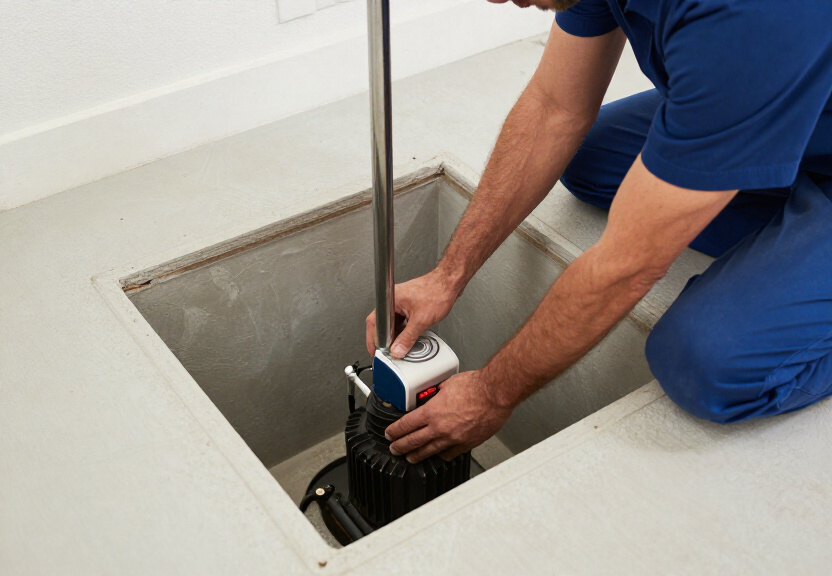
Sump Pump in Lewiston
Lewiston's spring snowmelt and Androscoggin River valley location create significant basement flooding risks. High water tables in low-lying neighborhoods require properly sized sump systems with battery backup for Northeast power outages during storms.
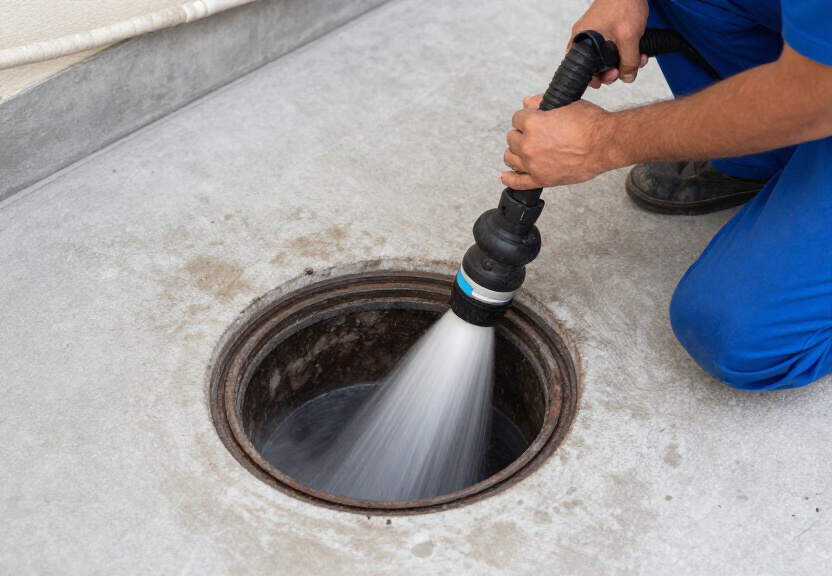
Sewer Cleaning in Lewiston
Lewiston's older neighborhoods contain clay sewer pipes vulnerable to root intrusion from mature maples and oaks. Post-war areas may have Orangeburg pipe degrading after decades of service. Professional cleaning prevents backups and identifies replacement needs.
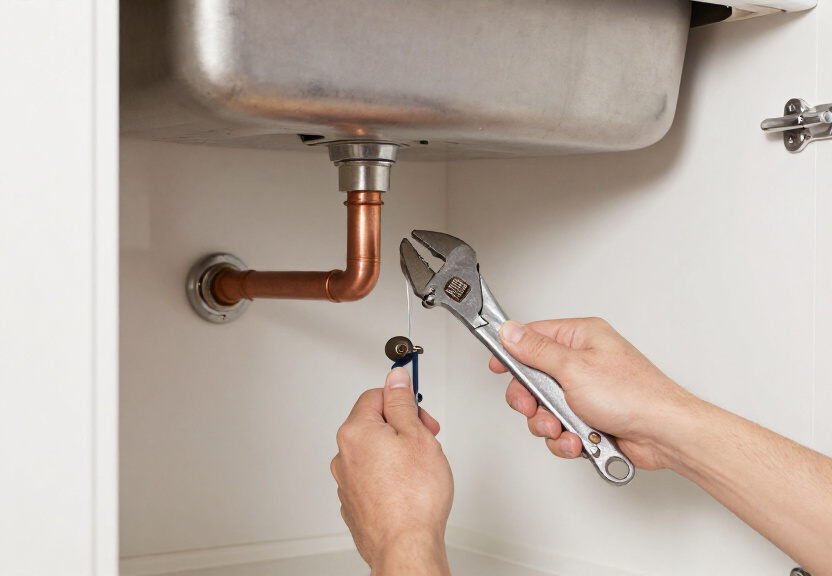
Pipe Leak Repair in Lewiston
Lewiston homes contain diverse pipe materials from galvanized steel in mill-era housing to copper in mid-century builds and modern PEX. Cold, snowy winters cause contraction while warm, humid summers expand connections, stressing joints and creating pinhole leaks in aging systems.
About Plumbing Service in Lewiston
Water hardness in Lewiston measures approximately 60-120 parts per million depending on source and seasonal mixing, creating cumulative damage across plumbing systems. This moderate-to-hard water leaves scale deposits in water heater tanks, reducing efficiency by 10-15% annually if not maintained. Garbage disposal blades dull prematurely, requiring more frequent replacement than in coastal Maine communities with softer supplies. Faucet aerators and showerheads clog with mineral buildup, while toilet components suffer from calcified seals that cause running and waste thousands of gallons yearly.
Homeowners should monitor several warning signs indicating professional attention is needed. Discolored water—whether rusty brown from corroded iron pipes or milky from aeration—suggests interior deterioration or municipal line disturbances. Sudden pressure drops often precede major leaks in aging systems. Unusual sounds including hammering pipes, gurgling drains, or running toilets when not in use indicate mechanical failures. Slow drains throughout the home suggest main line blockage rather than isolated clogs. Unexplained water bill increases frequently reveal hidden leaks in slabs or crawl spaces common in Lewiston's varied housing stock.
Lewiston's architectural diversity directly impacts plumbing service needs across neighborhoods. Triple-decker apartment buildings in the Little Canada and Tree Street areas contain original galvanized systems now reaching 100+ years of service, with shared waste stacks and limited access for repairs. Brick mill-worker housing on Ash and Pine Streets features basement utilities vulnerable to flooding and freeze damage. Post-war ranches in the outer Sabattus and Lisbon Street corridors have copper systems approaching 70 years of age, with original fixtures and failing connections. Newer construction on the outskirts incorporates modern materials but may still connect to aging municipal infrastructure requiring careful integration during renovations.
Seasonal Plumbing Tips for Lewiston
Winter in Lewiston demands vigilance against frozen pipes, particularly in uninsulated basements and crawl spaces common in older homes along the river. Water heaters work hardest during January and February when temperatures regularly plunge below 10°F, accelerating sediment buildup in tanks. Homeowners should maintain steady thermostat settings and consider pipe insulation in exterior walls, especially in neighborhoods like the Downtown Historic District where original construction predates modern insulation standards.
Spring thaws bring the highest basement flooding risk to Lewiston properties, as snowmelt combines with seasonal rains and rising groundwater in the Androscoggin River watershed. Sump pumps should be tested before March arrives, with battery backup systems verified for the power outages that accompany Northeast spring storms. French drains and exterior grading issues become apparent during this season, and addressing them promptly prevents mold and structural damage in below-grade spaces.
Summer humidity in Lewiston creates ideal conditions for garbage disposal odors and bacterial growth in drain traps. Cookout season brings increased disposal use, yet homeowners should avoid grinding corn husks, celery, and fibrous materials that jam mechanisms already stressed by mineral deposits. Water heater efficiency matters during peak usage months—flushing tanks removes sediment that accumulated during winter strain and improves performance for showers after outdoor activities.
Fall preparation is critical before Lewiston's cold, snowy winters arrive. Outdoor faucets require draining and valve closure, while interior pipes in unheated spaces need insulation. Tree roots actively seek moisture before dormancy, making this the ideal time for sewer line inspection and cleaning. Water heater anode rods should be checked, as the combination of hard water and upcoming winter demands accelerodes corrosion protection depletion.
Plumbing FAQ - Lewiston, ME
Tank water heaters in Lewiston generally last 8-12 years, with hard water and extreme winter demands accelerating wear on heating elements and tank linings compared to national averages.
Avoid potato peels, celery, corn husks, coffee grounds, and grease, as Lewiston's hard water already stresses disposal blades and these materials cause jams requiring professional service.
Hard water mineral deposits from Lake Auburn and local sources accumulate on flapper valves and fill mechanisms, preventing proper seals and causing continuous water waste until components are cleaned or replaced.
Northeast storm patterns frequently cause power outages during heavy rainfall and snowmelt events, making battery backup essential for protecting Lewiston basements when municipal electricity fails.
Multiple slow drains, gurgling toilets when appliances run, sewage odors in yards, and lush green patches over buried lines indicate root intrusion or collapse in aging clay or Orangeburg pipes common throughout the city.
Licensed professionals use acoustic listening devices, thermal imaging cameras, and pressure testing to locate leaks within walls, slabs, and underground without destructive exploration of historic mill-era and mid-century housing.
Confirm active Maine Plumbing License, liability insurance, and familiarity with Lewiston's specific challenges including hard water treatment, historic home retrofit requirements, and Androscoggin County permit procedures.
Drain exterior faucets, insulate pipes in unheated basements and crawl spaces, maintain indoor temperatures above 55°F, and schedule water heater maintenance before December to prevent freeze damage during cold, snowy winters.