Plumbing Services in Portland, Maine
Portland's position on the Casco Bay brings distinctive challenges to residential plumbing systems throughout the year. Cold, snowy winters push water heaters to their limits as they work harder to maintain temperature against frigid incoming water, while expansion and contraction from dramatic temperature swings stress copper and galvanized pipes in older homes. Many Portland residences still rely on basements prone to groundwater intrusion, making sump pump reliability critical during Nor'easters and spring thaws when the water table rises dramatically across Cumberland County.
Homeowners in Portland neighborhoods like Deering Center, Munjoy Hill, and the West End frequently encounter plumbing issues tied to the city's housing stock, which spans from 19th-century Victorians to mid-century ranches and newer construction. Aging galvanized steel pipes in pre-1950s homes corrode from the inside, reducing water pressure and eventually causing pinhole leaks. Many properties still operate on original sewer connections to Portland's century-old municipal system, where clay pipes have shifted with Maine's freeze-thaw cycles and tree roots from mature street elms and maples penetrate joints with surprising persistence.
The water supply serving Portland comes from Sebago Lake, renowned for its exceptional purity yet moderately hard with dissolved minerals that accumulate in fixtures and appliances over time. Calcium and magnesium deposits shorten garbage disposal lifespan by grinding away at impellers and jamming mechanisms, while mineral buildup in toilet tanks degrades flapper valves and fill mechanisms—particularly in homes with original low-flow fixtures installed during earlier conservation efforts. Seasonal humidity swings from warm, humid summers to dry winter heating also affect wax rings and caulking, creating subtle leak paths that homeowners often discover only after subfloor damage appears.
What We Cover in Portland
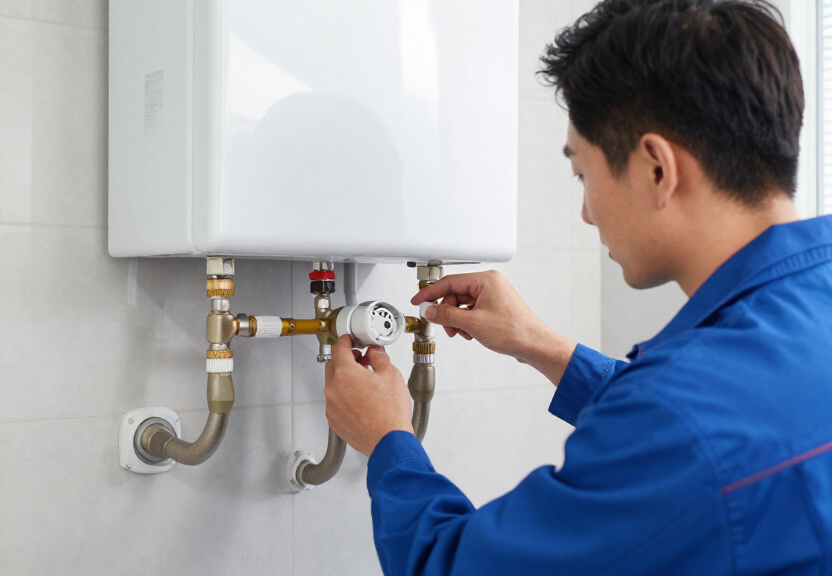
Water Heater in Portland
Portland's cold winters force water heaters to work harder heating near-freezing incoming water, while moderate water hardness from Sebago Lake accelerates sediment accumulation. Tank and tankless systems both benefit from regular maintenance to combat these regional stressors.
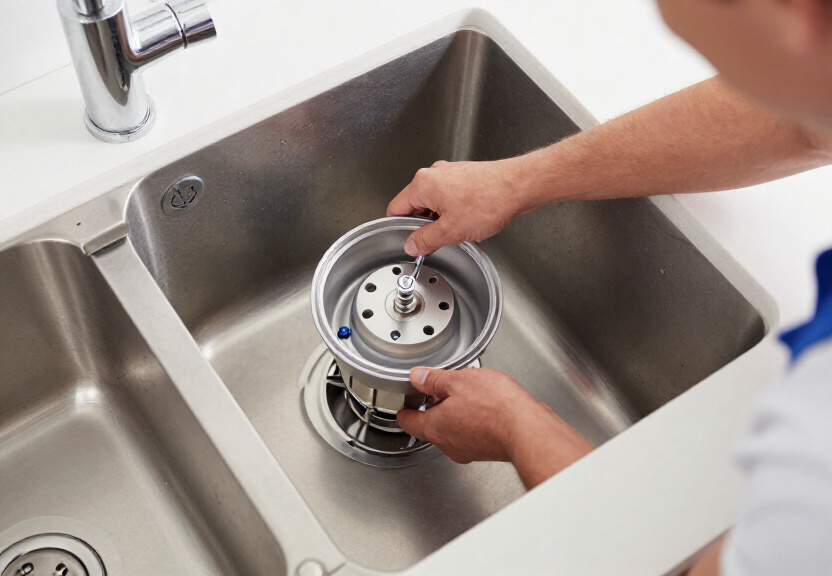
Garbage Disposal in Portland
Hard water minerals and fibrous seafood scraps common in coastal Maine kitchens strain disposal motors and dull grinding components. Proper sizing and professional installation prevent jams in older Portland homes with limited under-sink clearance.
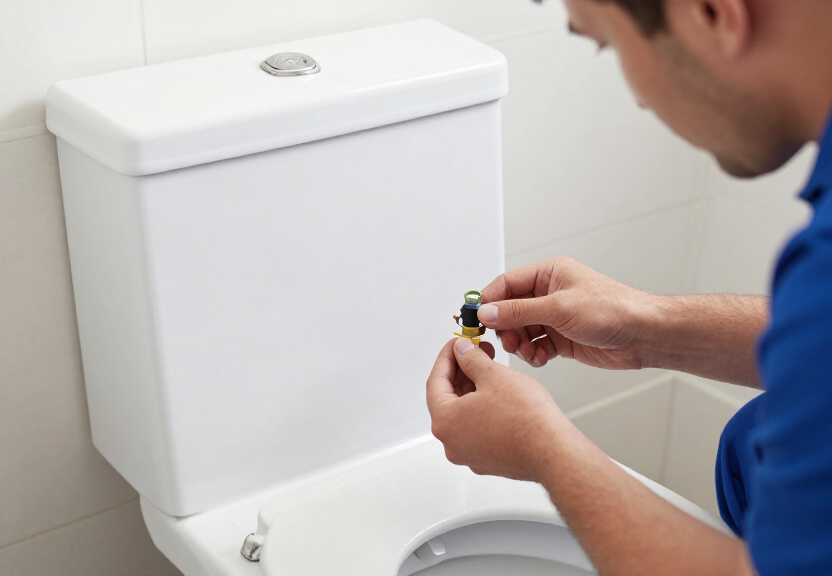
Toilet Repair in Portland
Mineral deposits from Cumberland County water supplies degrade flapper valves and fill valves faster than in soft-water regions. Aging wax rings and corroded tank-to-bowl hardware in Portland's older housing stock require periodic attention to prevent hidden leaks.
More Plumbing Solutions in Portland, ME
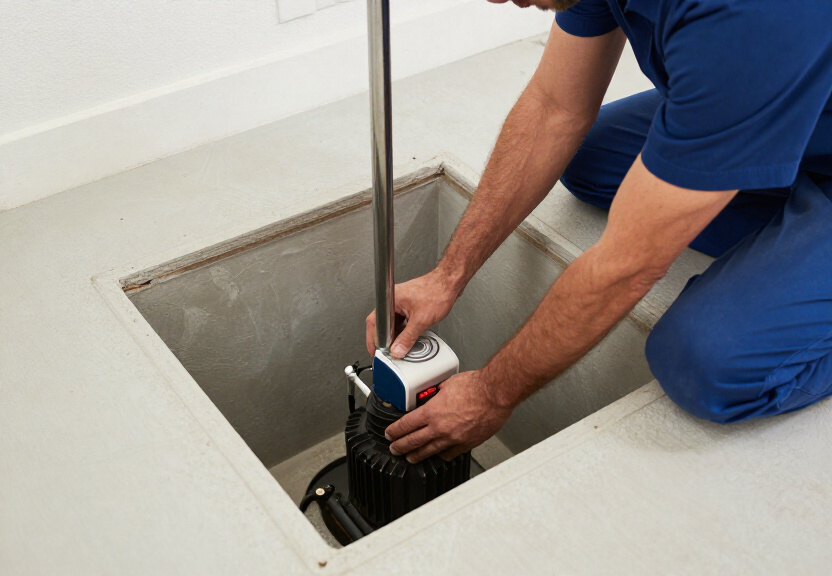
Sump Pump in Portland
Portland's high water table and spring snowmelt create serious basement flooding risks throughout the Casco Bay area. Battery backup systems prove essential when Nor'easters knock out power during the heaviest precipitation events.
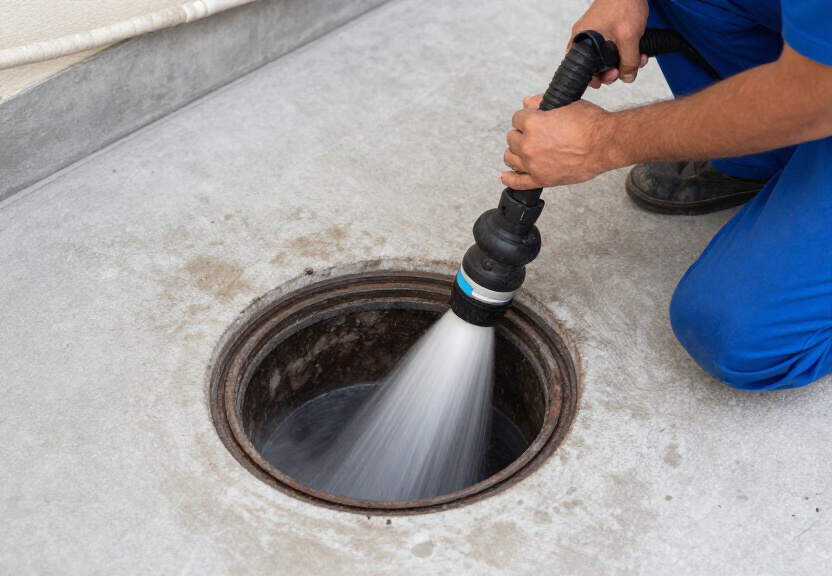
Sewer Cleaning in Portland
Clay sewer pipes in Portland's historic neighborhoods shift with seasonal ground movement and attract root intrusion from mature street trees. Professional hydro jetting clears blockages without damaging fragile aging infrastructure.
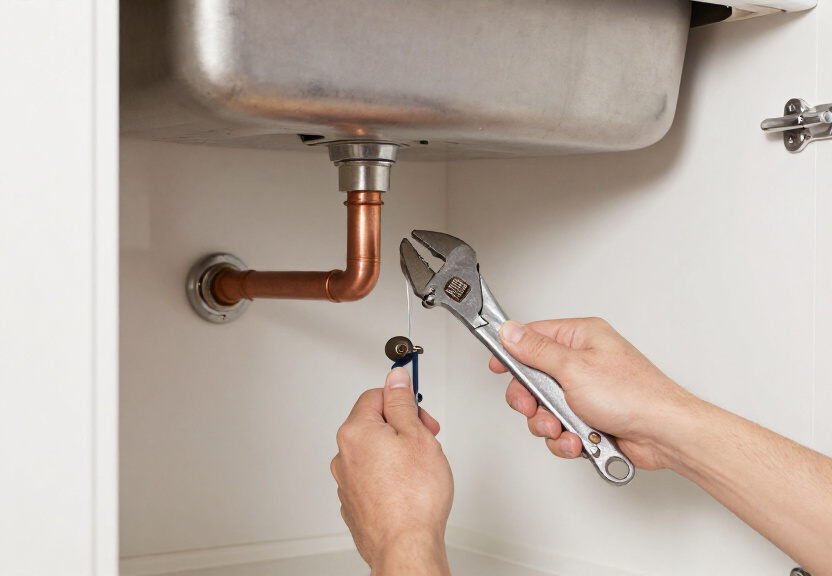
Pipe Leak Repair in Portland
Copper, galvanized, and PVC pipes in Portland homes all respond differently to Maine's freeze-thaw cycles and humid summers. Thermal expansion stresses joints while corrosion attacks older metal piping, creating leak risks throughout the system.
About Plumbing Service in Portland
Water hardness throughout Portland typically measures 3-4 grains per gallon—moderate by national standards yet sufficient to impact appliance longevity. Scale accumulation in water heater tanks reduces heating efficiency by 10-15% annually if untreated, while garbage disposal chambers develop mineral crusts that trap food particles and accelerate rust. Showerheads and aerators clog with white calcium deposits, and toilet rim jets gradually restrict flow, creating the weak flushes that prompt replacement calls across the West End and East End historic districts.
Homeowners should monitor several warning signs specific to Portland's plumbing environment. Discolored water—whether rust-brown from corroded galvanized pipes or occasional milky appearance from aeration—warrants investigation, as does persistent low pressure that may indicate hidden leaks or mineral obstruction. Unusual sounds including water hammer, gurgling drains, or sump pump continuous cycling reveal developing problems, while sudden bill increases often track to running toilets or underground leaks exacerbated by seasonal ground movement. Slow drains beyond normal hair clogs suggest venting issues or sewer line compromise common in homes with original cast iron or clay piping.
Portland's architectural diversity creates distinct plumbing repair patterns across neighborhoods. Pre-1900 homes in the West End and Parkside frequently contain original lead service lines requiring careful replacement coordination with Portland Water District schedules. Mid-century ranches in North Deering and Oakdale feature copper piping that develops pinhole leaks from acidic water conditions or improper original soldering. Newer construction on the Peninsula and in suburban developments presents different challenges: PEX and PVC systems vulnerable to rodent damage in crawl spaces, or polybutylene piping in 1980s-90s builds now reaching failure age. Understanding these material timelines helps homeowners anticipate maintenance needs before catastrophic failures occur.
Seasonal Plumbing Tips for Portland
Winter in Portland demands vigilance against frozen pipes as temperatures regularly plunge below 10°F and wind chills drop further along the waterfront. Water heaters operate at peak demand, heating water that may enter at 35°F or colder, accelerating tank deterioration and anode rod depletion. Homeowners should maintain consistent thermostat settings even when away, open cabinet doors under sinks on exterior walls, and consider insulating pipes in unheated basements and crawl spaces common in Deering and Rosemont neighborhoods.
Spring thaws across Cumberland County bring the highest groundwater levels of the year, testing sump pump capacity when snowmelt combines with seasonal rains. Portland's clay-heavy soils drain slowly, creating hydrostatic pressure against basement walls that forces water through cracks and joints. Testing sump pump operation before March, clearing discharge lines of ice debris, and verifying check valve function prevents the basement flooding that peaks during April and May Nor'easters.
Warm, humid Portland summers shift plumbing concerns toward garbage disposal overload from cookouts and seasonal entertaining, with corn husks, seafood shells, and fibrous vegetables causing frequent jams. Water heater efficiency matters as cold groundwater warms only slightly, while high humidity accelerates corrosion on exposed piping and promotes condensation that mimics leak symptoms. Scheduling water heater maintenance after winter strain and before fall demands helps maintain consistent performance through peak usage periods.
Autumn preparation focuses on winterizing outdoor fixtures and addressing sewer line root growth before Portland's cold, snowy winters arrive. Mature oak and maple roots seek moisture through tiny pipe cracks during late summer drought, then expand dramatically when fall rains resume, causing blockages that freeze and worsen in winter. Draining irrigation systems, disconnecting hoses, and scheduling sewer camera inspections in September prevents mid-winter emergencies when ground frost complicates repairs.
Plumbing FAQ - Portland, ME
Tank water heaters in Portland average 8-12 years, with cold incoming water and moderate hardness accelerating wear on heating elements and anode rods compared to warmer regions.
Safe items include small food scraps and cold water during operation; avoid fibrous vegetables, seafood shells, grease, and coffee grounds that strain motors and create clogs in Portland's older drain lines.
Mineral deposits from Sebago Lake water degrade flapper valves and fill mechanisms within 3-5 years, while aging wax rings and corroded tank bolts in Portland's older homes create silent leaks that waste hundreds of gallons monthly.
Battery backup systems are strongly recommended because Nor'easters and ice storms frequently cause multi-day power outages precisely when groundwater levels peak and basement flooding risk is highest.
Multiple slow drains, gurgling toilets when appliances run, sewage odors in basements, or lush green patches in yards during dry spells suggest root intrusion or pipe collapse common in Portland's clay sewer infrastructure.
Licensed plumbers use acoustic listening devices, thermal imaging cameras, and pressure testing to pinpoint leaks behind walls and underground without destructive excavation, particularly effective for Portland's varied pipe materials.
Verify active Maine Pipefitters and Plumbers license, request proof of liability insurance and workers compensation, check references from similar Portland homes, and confirm familiarity with local water conditions and permit requirements.
Insulate exposed pipes in unheated spaces, maintain indoor temperatures above 55°F, seal foundation cracks that admit cold air, disconnect outdoor hoses, and locate your main water shutoff before cold, snowy winters arrive.