Plumbing Services in Saco, Maine
Saco's position along the Saco River and its exposure to harsh Northeast winters create unique challenges for residential plumbing systems. Temperatures regularly plunge below zero during January and February, putting extraordinary stress on water heaters that must work harder to maintain consistent temperatures while battling incoming cold water from municipal supplies. The freeze-thaw cycles that characterize late winter and early spring cause pipes to expand and contract repeatedly, particularly in older homes with copper or galvanized steel plumbing that may have weakened over decades of service.
Many Saco neighborhoods feature housing stock dating from the late 1800s through the 1950s, when mill workers' cottages and Victorian-era homes were constructed to support the textile industry. These properties often retain original clay sewer lines, cast iron drains, and galvanized water supply pipes that have exceeded their designed lifespan. Homeowners in the historic downtown district and along Main Street frequently report recurring drain clogs, water pressure inconsistencies, and fixture corrosion that stem from aging infrastructure rather than immediate mechanical failure.
The municipal water supply in Saco draws from surface and groundwater sources that carry moderate to high mineral content, particularly calcium and magnesium compounds that create hard water conditions. This mineral accumulation accelerates wear on garbage disposal grinding chambers, causes toilet tank components to degrade prematurely, and creates scale buildup inside water heater tanks that reduces efficiency by fifteen to twenty percent over five years. Seasonal humidity swings between dry winter air and muggy summer conditions also affect toilet wax rings and pipe joint seals, leading to subtle leaks that homeowners may not detect until water damage appears.
What We Cover in Saco
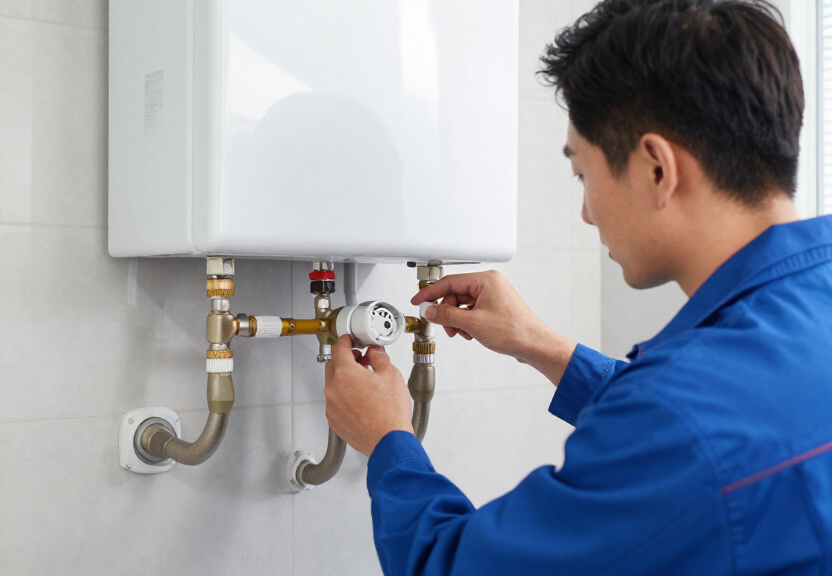
Water Heater in Saco
Saco's cold winters and moderately hard water reduce typical water heater lifespan to 8-12 years. Mineral accumulation and thermal expansion stress tank integrity. Professional flushing extends performance in this climate.
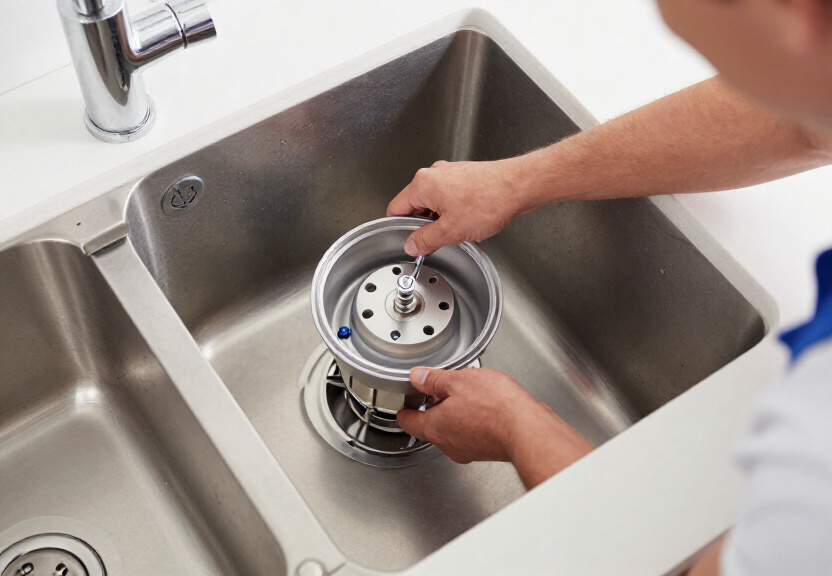
Garbage Disposal in Saco
Hard water minerals corrode disposal grinding components in Saco homes. Potato peels from local seafood boils and fibrous vegetables commonly cause jams. Proper installation prevents vibration damage to older sink plumbing.
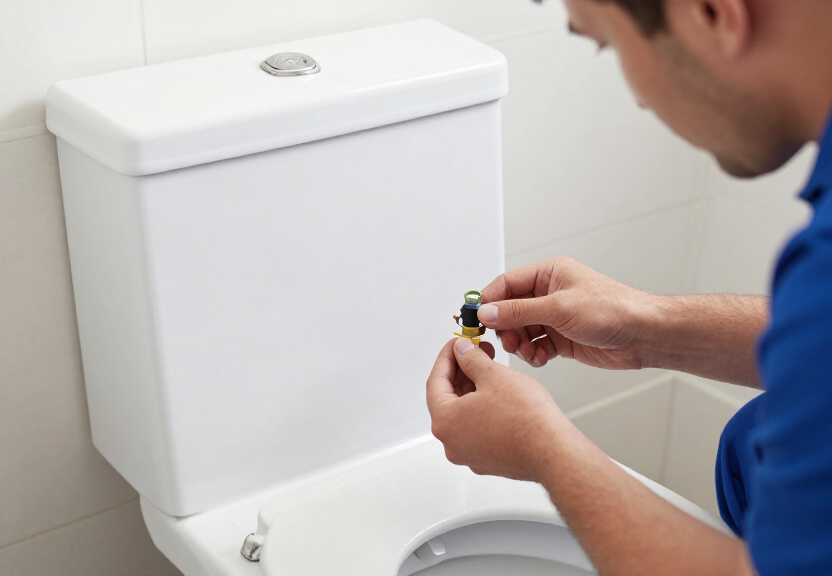
Toilet Repair in Saco
Mineral deposits from Saco's water supply clog rim jets and accelerate flapper deterioration. Wax rings fail faster due to seasonal humidity fluctuations. Running toilets waste hundreds of gallons monthly if unaddressed.
More Plumbing Solutions in Saco, ME
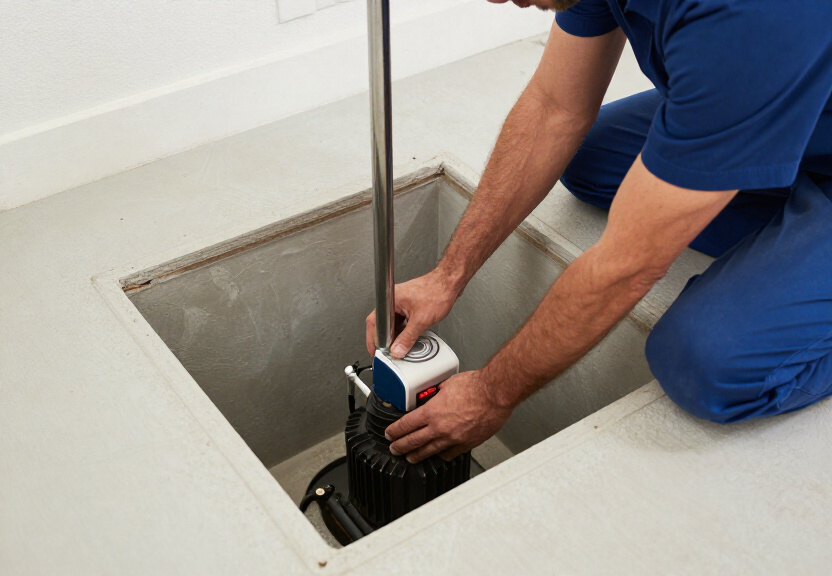
Sump Pump in Saco
Saco's high water table and spring snowmelt create significant basement flooding risk. Northeastern storm patterns deliver intense rainfall that overwhelms undersized pumps. Battery backup systems provide critical protection during power outages.
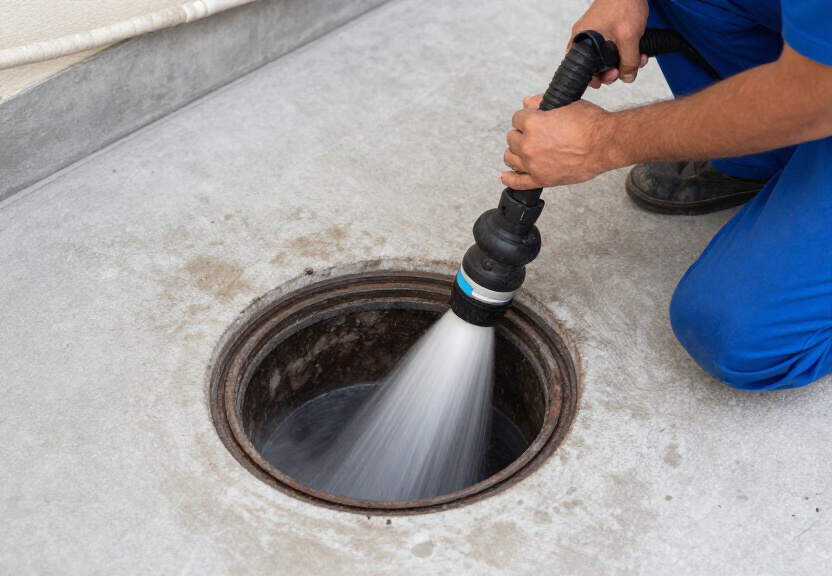
Sewer Cleaning in Saco
Clay sewer pipes in older Saco neighborhoods crack and shift with ground freezing. Mature oak and maple roots invade joints seeking moisture. Regular hydrojetting prevents costly excavation and pipe replacement.
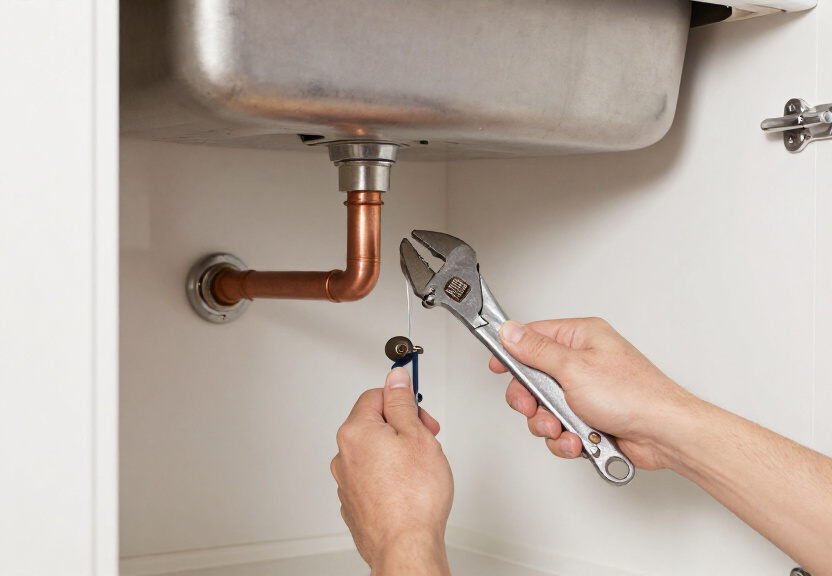
Pipe Leak Repair in Saco
Copper pipes in Saco's pre-1960 homes develop pinhole leaks from internal corrosion. Galvanized steel lines clog with rust scale. PVC becomes brittle after decades of temperature cycling between cold, snowy winters and warm, humid summers.
About Plumbing Service in Saco
Water hardness in Saco measures approximately 120-150 parts per million, creating scale deposits that progressively damage plumbing infrastructure. Water heater anode rods sacrifice themselves to protect tanks but require replacement every 3-5 years under these conditions. Garbage disposal seals harden and leak as mineral crystals form between moving parts. Faucet aerators and showerheads clog with white calcium buildup that restricts flow and increases pressure stress on supply lines throughout the home.
Homeowners should monitor several warning indicators that suggest professional evaluation. Rust-colored water from hot taps indicates internal water heater corrosion requiring immediate attention. Persistent low pressure affecting multiple fixtures suggests galvanized pipe deterioration or municipal main issues. Gurgling drains, particularly in homes near the Saco River floodplain, often precede sewer backups. Unexplained water bill increases of twenty percent or more frequently reveal hidden leaks in slabs or underground supply lines.
Saco's housing diversity creates distinct plumbing repair patterns across neighborhoods. Downtown Victorian properties feature original cast iron drains prone to internal scaling and joint separation. Post-war ranch homes in the Pleasant Hill area contain copper tubing that develops pinhole leaks from acidic water conditions. 1970s-era split-levels in the Kinney Shores vicinity often have polybutylene supply lines that insurers increasingly refuse to cover. Understanding these construction-era vulnerabilities helps homeowners anticipate maintenance needs before catastrophic failures occur.
Seasonal Plumbing Tips for Saco
Winter: Saco's cold, snowy winters demand proactive pipe protection when temperatures drop below twenty degrees. Insulate exposed plumbing in unheated basements, crawl spaces, and along exterior walls common in older mill-era homes. Water heaters work overtime during January and February; draining several gallons monthly removes sediment that reduces heating efficiency and causes premature tank failure.
Spring: Snowmelt from the Saco River watershed elevates groundwater levels dramatically during March and April. Test your sump pump by pouring five gallons into the pit to verify automatic activation and discharge flow. Clear exterior drains of sand and gravel that winter plowing deposits against foundation walls, as these blockages force water toward basement seams.
Summer: Warm, humid summers in Saco increase water consumption for lawns and gardens, straining older municipal water lines. Garbage disposals face heavy use during Memorial Day and Independence Day gatherings; avoid disposing of corn husks, seafood shells, and fibrous melon rinds that jam impellers. Adjust water heater thermostats to 120 degrees to reduce energy costs without sacrificing comfort.
Fall: Prepare plumbing for Saco's harsh winter by disconnecting garden hoses and draining outdoor faucets before first frost, typically arriving by late October. Tree roots seek moisture before dormancy and aggressively invade sewer line cracks; schedule video inspection if drains slow after leaf accumulation. Seal foundation vents to prevent frozen pipes while maintaining adequate crawl space ventilation.
Plumbing FAQ - Saco, ME
Water heaters in Saco generally last 8-12 years due to cold incoming water temperatures and moderate hard water conditions that accelerate tank corrosion and heating element wear.
Avoid coffee grounds, eggshells, potato peels, seafood shells, and fibrous vegetables like celery that strain disposal motors and contribute to drain clogs in older Saco plumbing systems.
Running toilets typically result from warped flapper valves, mineral-deposited fill valves, or improperly adjusted float mechanisms that fail to seal completely against Saco's water pressure.
Battery backup provides essential protection during Northeast storm outages when groundwater levels peak and basement flooding risk reaches maximum levels.
Multiple slow drains, sewage odors in basements, lush grass patches above buried lines, or gurgling sounds after flushing suggest root intrusion or pipe collapse common in Saco's clay sewer infrastructure.
Licensed plumbers employ acoustic listening devices, thermal imaging cameras, and video pipe inspection to pinpoint leaks without destructive wall or floor removal.
Confirm active licensure through the Maine Office of Professional and Occupational Regulation, request proof of liability insurance, and verify experience with Saco's specific housing stock and water conditions.
Drain outdoor faucets, insulate exposed pipes in unheated spaces, maintain consistent indoor temperatures above 55 degrees, and locate your main water shutoff before freezing conditions arrive.