Plumbing Services in Sanford, Maine
Sanford, Maine sits in the heart of York County where cold, snowy winters and warm, humid summers create unique demands on residential plumbing systems. The region's dramatic temperature swings stress water heaters throughout the year, forcing units to work harder during frigid January nights when groundwater temperatures plummet near 40°F. Many Sanford homes rely on sump pumps to manage high groundwater tables exacerbated by spring snowmelt and heavy rain events common to southern Maine's coastal-influenced climate.
Homeowners across Sanford's neighborhoods—from the historic mill district near Springvale to newer developments along Route 4—frequently encounter plumbing challenges tied to housing age. Properties built during the textile boom era often contain galvanized steel pipes prone to internal corrosion and reduced flow, while mid-century ranch homes may feature original copper systems showing signs of pinhole leaks. The city's mix of private wells and municipal water service creates varying pressure inconsistencies that strain fixtures and accelerate wear on toilet fill valves and faucet cartridges.
Sanford's water supply, whether sourced from the Mousam River watershed or private wells, carries moderate to high mineral content that impacts appliance performance. Hard water calcification builds inside toilet rim jets and trapways, causing weak flushes and frequent clogs. Garbage disposals suffer accelerated blade dulling and motor strain from mineral deposits combining with food waste, particularly in homes without water softening systems. Seasonal temperature fluctuations also cause thermal expansion in older cast iron drain lines, leading to cracks that invite root intrusion from the mature oak and maple trees shading Sanford's established neighborhoods.
What We Cover in Sanford
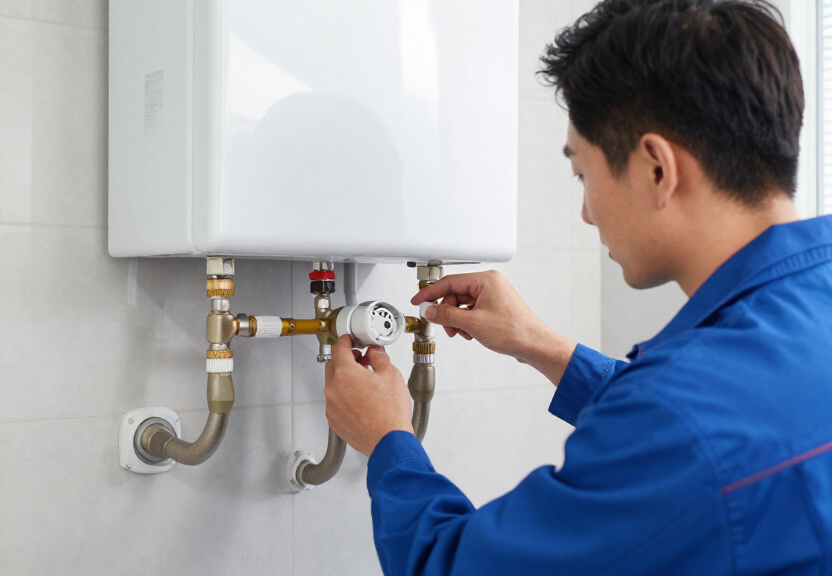
Water Heater in Sanford
Sanford's cold winters and mineral-rich water shorten water heater lifespans. Sediment accumulates faster in tank units, while tankless systems face scale buildup. Professional maintenance helps York County homeowners maximize efficiency.
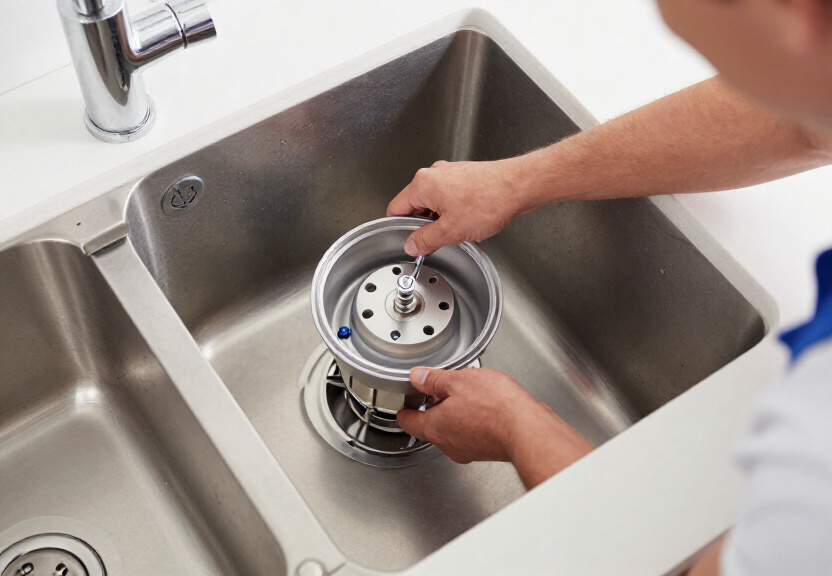
Garbage Disposal in Sanford
Hard water and food waste create disposal problems in Sanford kitchens. Dull blades struggle with fibrous vegetables, and motor bearings corrode from mineral exposure. Proper installation prevents jams and extends service life.
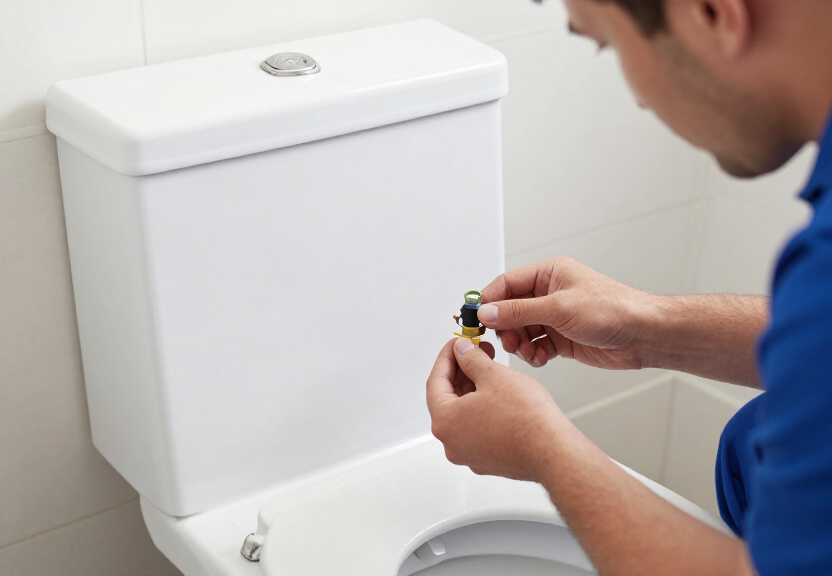
Toilet Repair in Sanford
Mineral deposits from Sanford water clog rim jets and erode flapper seals. Older homes often have original ballcock assemblies that fail under pressure fluctuations. Timely repairs restore flush power and stop silent water waste.
More Plumbing Solutions in Sanford, ME
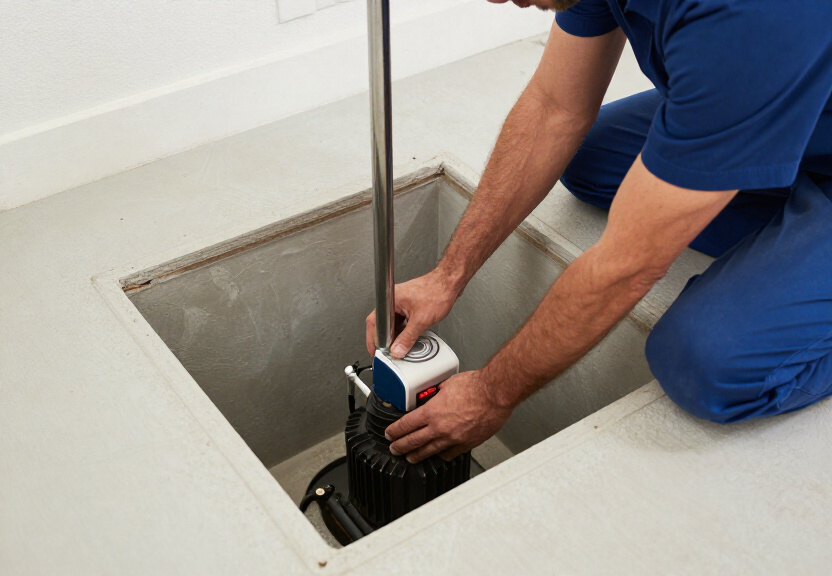
Sump Pump in Sanford
Sanford's high water table and Northeast snowmelt demand reliable basement protection. Spring rains combine with frozen ground to force water toward foundations. Battery backup systems prove essential during severe weather outages.
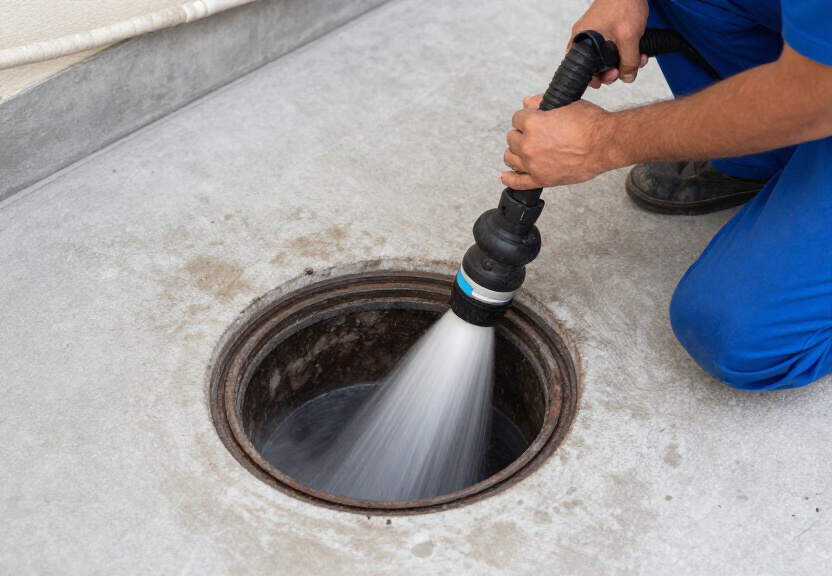
Sewer Cleaning in Sanford
Clay sewer pipes in Sanford's older neighborhoods crack from ground freeze-thaw cycles, inviting root penetration. Mature tree lines along Main Street and surrounding roads accelerate blockage formation. Professional hydro-jetting clears obstructions without pipe damage.
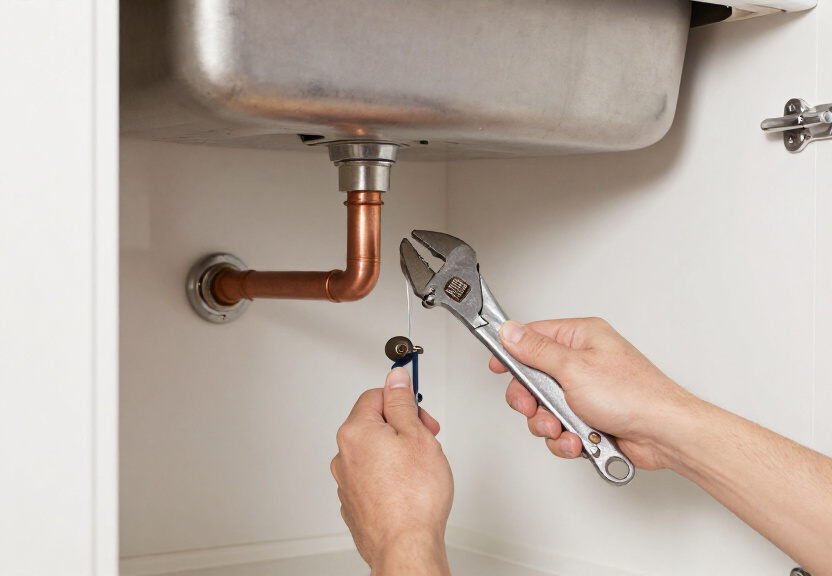
Pipe Leak Repair in Sanford
Sanford homes contain copper, galvanized steel, and PVC systems vulnerable to distinct failure modes. Galvanized pipes corrode internally while copper develops pinholes from acidic water. Seasonal expansion and contraction stress joints throughout York County's freeze-thaw climate.
About Plumbing Service in Sanford
Water hardness varies considerably across Sanford depending on water source, with well water frequently testing above 7 grains per gallon. This mineral content precipitates inside water heater tanks, forming insulating sediment layers that force heating elements to run longer and consume more electricity. Garbage disposal grinding chambers accumulate lime scale that binds food particles and accelerates stainless steel corrosion. Faucet aerators and showerheads throughout Sanford homes clog with calcium deposits, reducing flow and creating uneven spray patterns that frustrate residents and waste water.
Sanford homeowners should monitor several warning indicators of developing plumbing problems. Rust-colored water from hot taps suggests water heater tank corrosion requiring immediate attention. Persistent low pressure, especially in morning hours, may indicate hidden leaks or deteriorating galvanized supply lines. Gurgling drains, particularly in older homes with cast iron stacks, signal venting problems or partial blockages. Unexplained water bill increases often reveal running toilets or underground leaks that threaten foundations. Strange hammering sounds when valves close indicate excessive pressure that damages appliance connections and fixture cartridges.
Sanford's housing inventory spans nearly two centuries of construction, creating diverse plumbing challenges. Mill-era worker housing from the 1880s-1920s frequently contains original cast iron drains and lead service connections requiring careful handling. Post-war ranch and Cape-style homes built during the 1950s-1970s era often feature copper supply systems now reaching end-of-life expectancy for solder joints and valve stems. Contemporary construction since 1990 generally employs PVC drainage and PEX or copper supply, though rapid development sometimes resulted in installation shortcuts visible in recurring joint failures. Each era demands distinct diagnostic approaches and repair techniques familiar to experienced York County plumbing professionals.
Seasonal Plumbing Tips for Sanford
Winter in Sanford: January temperatures regularly drop below 10°F, putting uninsulated pipes in exterior walls and crawl spaces at serious freeze risk. Water heaters work overtime heating incoming water that may arrive near 38°F, accelerating tank corrosion and anode rod depletion. Homeowners should maintain consistent thermostat settings even when away, as vacant properties suffer catastrophic pipe bursts that flood basements and damage plaster walls common in Sanford's older housing stock.
Spring in Sanford: March and April bring rapid snowmelt combined with rain on frozen ground, saturating soils and overwhelming inadequate sump pump systems. Northeast weather patterns deliver nor'easters that dump inches of precipitation in hours, testing basement drainage capacity. Homeowners should test sump pump operation before peak season, verify discharge lines remain unblocked by ice, and consider backup systems for properties with finished basements in low-lying Springvale areas.
Summer in Sanford: Warm, humid summers increase water consumption for lawns and gardens, straining well pumps and municipal pressure. Cookout season brings garbage disposal abuse—corn husks, melon rinds, and grease from backyard gatherings jam motors and dull blades. Water heaters may show efficiency declines as sediment baking on tank bottoms reduces heating capacity, while high humidity promotes condensation on cold water pipes that damages drywall and invites mold in basements.
Fall in Sanford: October's temperature drops signal urgent preparation for the heating season ahead. Exterior faucets require shutoff and drainage to prevent freeze damage, while irrigation systems need professional winterization. Tree roots actively seek moisture before dormancy, accelerating intrusion into sewer line cracks. Homeowners should schedule water heater flushes to remove summer sediment buildup and inspect pipe insulation in unheated spaces before the first hard freeze typically arriving by Veterans Day.
Plumbing FAQ - Sanford, ME
Tank water heaters in Sanford generally serve 8-12 years, though hard water and cold incoming temperatures may shorten lifespan, while tankless units can operate 15-20 years with proper descaling maintenance.
Avoid fibrous vegetables like celery and corn husks, coffee grounds that accumulate in pipes, grease that solidifies in cold Maine winters, and bones that damage blades already stressed by mineral-rich water.
Mineral deposits from local water erode flapper seals and fill valve washers, while aging ballcock assemblies stick open and misadjusted float arms fail to shut water flow, wasting hundreds of gallons monthly.
Northeast storms frequently cause power outages precisely when heavy rain arrives, making battery backup essential for protecting finished basements in Sanford's high water table areas during spring and fall weather events.
Multiple slow drains throughout the home, gurgling toilets when sinks run, sewage odors in basements, or lush green patches in yards during dry spells suggest root intrusion or collapsed clay pipes common in older neighborhoods.
Licensed professionals employ acoustic listening devices, thermal imaging cameras to spot temperature differences behind walls, and pressure testing to isolate leaks in copper, galvanized, or PVC systems without destructive exploration.
Confirm active licensure through the Maine Office of Professional and Occupational Regulation, request proof of liability insurance and workers compensation coverage, and verify experience with Sanford's specific housing ages and water conditions.
Drain exterior faucets and irrigation systems, insulate pipes in unheated crawl spaces and garages, maintain indoor temperatures above 55°F, and seal foundation vents to prevent freeze damage during January cold snaps reaching below zero.