Plumbing Services in South Portland, Maine
South Portland's position along Casco Bay exposes residential plumbing systems to punishing Northeast weather extremes that homeowners in milder climates rarely face. During cold, snowy winters, temperatures routinely plunge below freezing for extended stretches, forcing water heaters to work overtime and putting supply lines at serious risk of freezing—particularly in older homes with inadequate insulation in crawl spaces or exterior walls. The thermal cycling between frigid January nights and occasional winter thaws creates expansion and contraction stress on copper and galvanized pipes, leading to pinhole leaks and joint failures that often go undetected until water damage appears.
Homeowners throughout South Portland neighborhoods like Willard Beach, Meetinghouse Hill, and the Brick Hill area frequently encounter plumbing challenges tied to the city's aging housing stock. Many residences built during the 1940s-1960s post-war boom still rely on original galvanized steel piping that corrodes from the inside out, gradually restricting water flow and introducing rust particles into tap water. Sewer lines in these established neighborhoods—often constructed from vitrified clay or early cast iron—have endured decades of groundwater infiltration, ground shifting from frost heave, and intrusion from the mature oak and maple trees that line South Portland's streets.
The municipal water supply serving South Portland carries moderate hardness levels that accelerate wear on plumbing fixtures and appliances. Mineral scale accumulates inside toilet tanks, degrading rubber flapper valves and fill mechanisms within 3-5 years rather than the decade-long lifespan seen in soft-water regions. Garbage disposals struggle with the combined effects of hard water deposits on grinding components and the fibrous food waste common to Maine's seafood-heavy cuisine—lobster shells, corn husks from summer cookouts, and potato peels that strain underpowered units in vintage kitchens.
What We Cover in South Portland
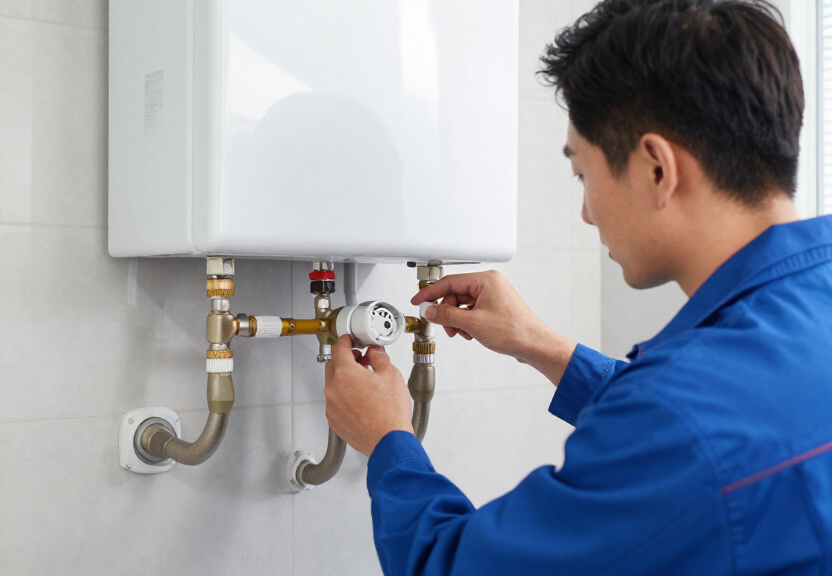
Water Heater in South Portland
South Portland's hard water and extreme seasonal temperature demands shorten traditional tank water heater lifespans to 8-12 years. Mineral sediment accumulates faster in Casco Bay area homes, reducing efficiency and causing premature tank failure.
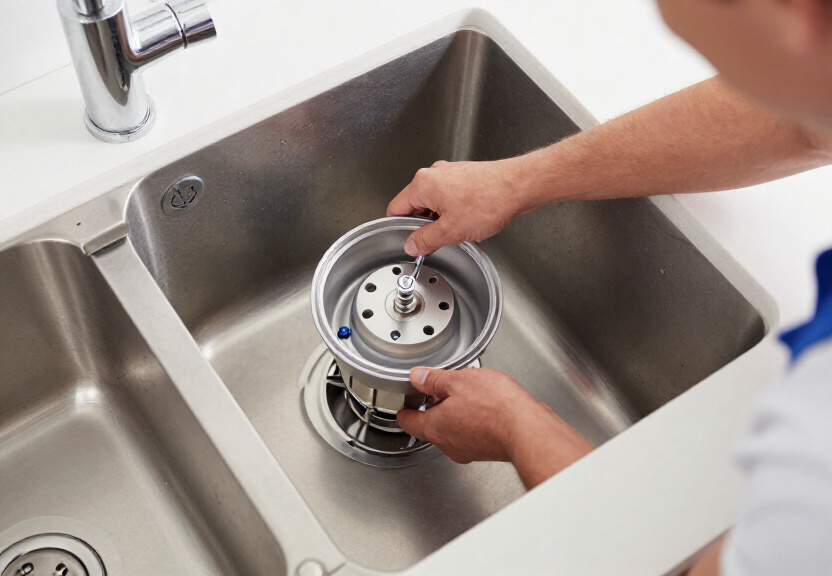
Garbage Disposal in South Portland
Kitchen disposals in South Portland face unique stress from hard water scale buildup on grinding rings and Maine's seafood-rich cooking habits. Fibrous waste and shell fragments frequently jam underpowered units common in older Ferry Village and Knightville homes.
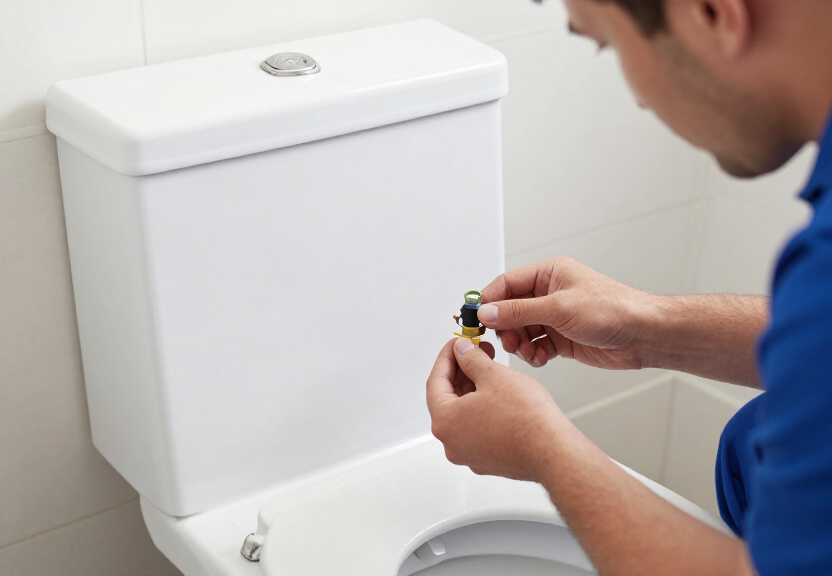
Toilet Repair in South Portland
Toilets in South Portland homes battle rapid flapper deterioration from mineral-rich water and temperature fluctuations in older bathrooms. Running toilets, weak flushing, and phantom fills typically signal hard water damage to internal components.
More Plumbing Solutions in South Portland, ME
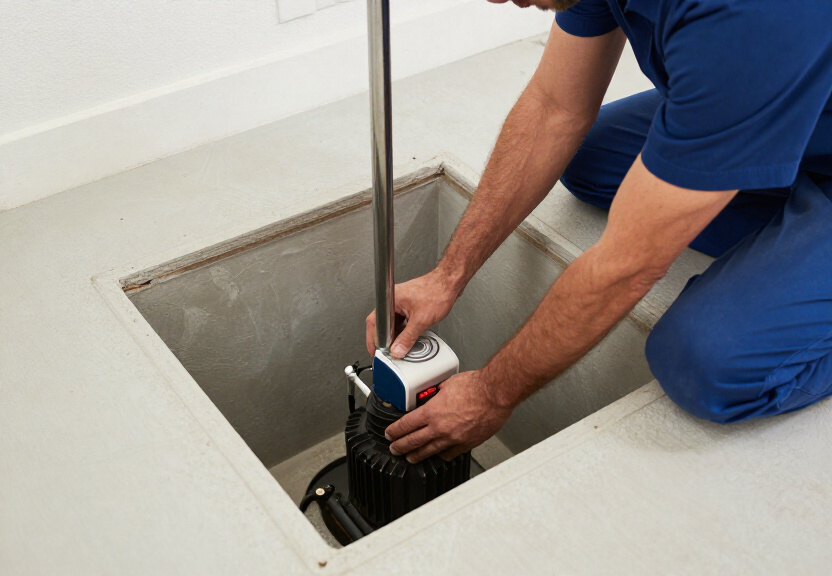
Sump Pump in South Portland
With South Portland's high water table and heavy spring runoff from melting snow, basement flooding threatens homes from Willard Beach to Meetinghouse Hill. Reliable sump systems with battery backup protection prove essential during Nor'easter events and rapid thaws.
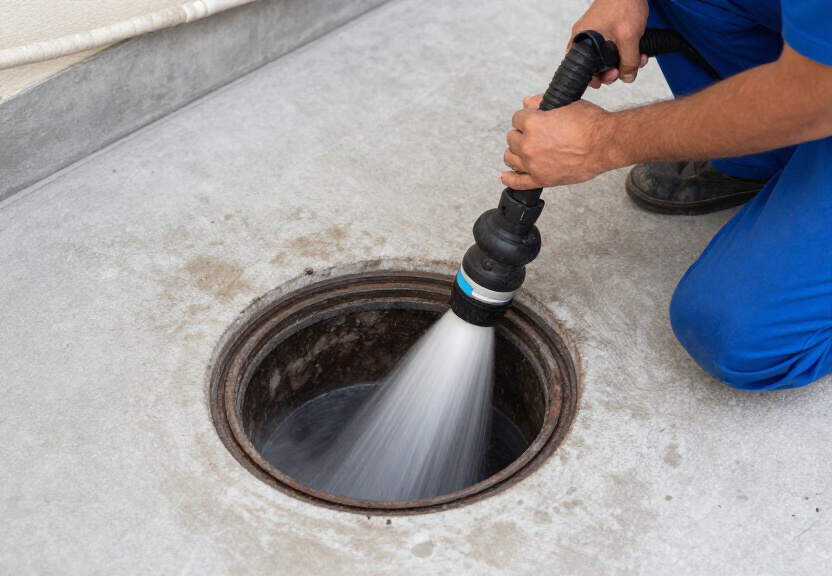
Sewer Cleaning in South Portland
Clay sewer lines throughout South Portland's established neighborhoods suffer root intrusion from century-old street trees and shifting from seasonal frost heave. Grease buildup from older kitchen drains compounds flow restrictions in homes with original cast iron connections.
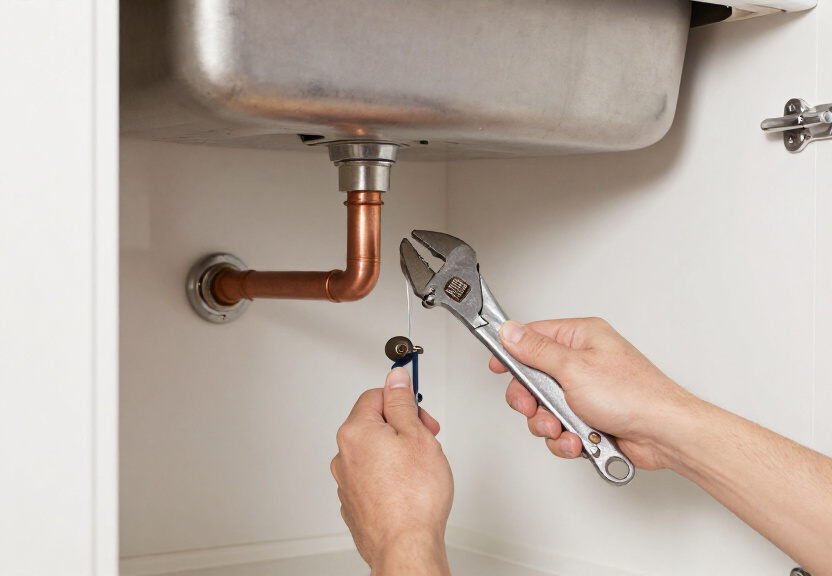
Pipe Leak Repair in South Portland
South Portland's freeze-thaw cycles attack copper, galvanized, and PVC pipes differently—copper develops pinholes at joints, galvanized corrodes internally, and PVC becomes brittle after decades of thermal stress. Hidden leaks often emerge first as unexplained water bill increases.
About Plumbing Service in South Portland
Water hardness in South Portland typically measures 60-120 ppm depending on proximity to treatment facilities, creating cumulative damage across plumbing systems. This mineral content accelerates scale buildup in water heater tanks, reducing heating efficiency by 15-25% over five years and shortening element lifespan. Garbage disposal grinding chambers develop calcium deposits that dull blades and seize bearings. Faucet aerators and showerheads clog with white mineral crust, while toilet fill valves accumulate grit that prevents proper seating—explaining why South Portland homeowners replace these components more frequently than coastal Maine communities with softer source water.
Vigilant South Portland homeowners watch for specific warning signals that plumbing systems are failing. Rust-colored water from hot taps indicates internal water heater tank corrosion requiring immediate attention. Persistent low pressure, especially in morning hours, suggests hidden leaks or galvanized pipe narrowing. Gurgling drains, particularly in older homes with original vent stacks, point to developing blockages. Unexplained water bill spikes—common in spring when frost-damaged pipes thaw and leak—demand prompt leak detection. Strange metallic tastes, banging pipes when fixtures close, or sewage odors near floor drains all warrant professional evaluation before catastrophic failure occurs.
South Portland's housing diversity creates distinct plumbing vulnerabilities across neighborhoods. Brick Hill's 1920s-1940s homes often contain original lead service lines and galvanized interior piping nearing end of functional life. Post-war ranch houses in the Redbank area feature copper systems from the 1950s-1970s that fail at solder joints after decades of thermal cycling. Newer construction near the mall and airport generally uses PEX or PVC, though improper installation during the 1990s-2000s building boom created premature failure risks. Condominium conversions in Ferry Village present unique challenges with shared sewer laterals and aging cast iron stacks that serve multiple units.
Seasonal Plumbing Tips for South Portland
Winter: South Portland's cold, snowy winters demand vigilant pipe protection as temperatures regularly drop below 10°F for week-long stretches. Homeowners should maintain consistent thermostat settings—even when away—to prevent freezing in exterior walls and unheated basements common in pre-1970s homes. Water heaters work hardest during these months; flushing sediment quarterly helps maintain efficiency when demand peaks. Insulating exposed pipes in crawl spaces and sealing foundation gaps blocks the arctic air that triggers catastrophic bursts.
Spring: Rapid snowmelt and March-April rainstorms saturate South Portland's coastal soils, driving groundwater toward basement foundations. Test sump pump operation by pouring water into the pit before the seasonal deluge begins—pumps that sat idle all winter often fail when first needed. Check discharge lines for freeze damage and ensure water routes away from the foundation. Homes near Capisic Pond or the Fore River face elevated flooding risk during spring king tides combined with runoff.
Summer: Warm, humid summers in South Portland shift plumbing concerns toward garbage disposal strain from seasonal cookouts and outdoor water usage. Corn husks, melon rinds, and seafood shells overwhelm standard disposals; cold water flushing during operation helps prevent jams. Water heaters may show efficiency losses as mineral scale from hard water bakes onto heating elements during peak demand months. Basement humidity encourages condensation on cool water pipes—insulating these lines prevents moisture damage and mold growth.
Fall: Before South Portland's cold, snowy winters arrive, homeowners should winterize outdoor spigots, drain irrigation systems, and inspect sewer lines for root intrusion that accelerated during summer growing season. Tree roots seek moisture in aging clay sewer pipes; hydrojetting in October prevents mid-winter backups when ground freezing complicates repairs. Schedule water heater maintenance to address sediment buildup before heating demands intensify. Sealing basement windows and insulating rim joists protects pipes from the first hard freezes that typically hit by late November.
Plumbing FAQ - South Portland, ME
Traditional tank water heaters in South Portland average 8-12 years due to hard water mineral accumulation and extreme seasonal demand, while tankless units may reach 15-20 years with proper descaling maintenance.
Safe items include soft food scraps and small quantities of citrus peels; avoid fibrous vegetables, pasta, rice, coffee grounds, and never dispose of lobster shells or corn husks that damage grinding mechanisms.
Running toilets typically stem from hard water-damaged flapper valves that fail to seal, misaligned fill tubes, or sediment-clogged fill valves—all common issues in South Portland's mineral-rich water environment.
Battery backup systems are strongly recommended because South Portland experiences frequent winter power outages during Nor'easters and ice storms precisely when melting snow and frozen ground create maximum flooding risk.
Multiple slow drains throughout the home, sewage odors from basement floor drains, lush green patches in the yard, or gurgling sounds after flushing suggest root intrusion or collapse in aging clay sewer pipes.
Licensed professionals employ acoustic listening devices, thermal imaging cameras to identify temperature differences behind walls, and pressure testing to isolate leaks in copper, galvanized, or PVC systems without destructive exploration.
Verify active Maine Plumbing License, request proof of liability insurance and workers' compensation, check references from recent South Portland projects, and confirm familiarity with local code requirements and permit processes.
Disconnect and drain outdoor hoses, insulate exposed pipes in unheated basements and crawl spaces, seal foundation gaps with spray foam, maintain indoor temperatures above 55°F, and know your main water shutoff location before freezing weather arrives.