Plumbing Services in Westbrook, Maine
Westbrook's position in the Northeast brings demanding climate conditions that test residential plumbing systems throughout the year. Cold, snowy winters push water heaters to their limits as incoming groundwater temperatures plummet, forcing units to work harder and longer to reach target temperatures. Pipe systems face repeated freeze-thaw cycles that stress joints and connections, particularly in older homes with galvanized or copper lines. Sump pumps become critical infrastructure during late winter thaws and spring rains, when the Presumpscot River watershed contributes to elevated groundwater tables that threaten basements across the city.
Homeowners throughout Westbrook neighborhoods—from the historic mill district near Cumberland Street to newer developments off Stroudwater Street—encounter recurring plumbing challenges tied to housing age and construction era. Properties built during the textile mill boom often retain original clay sewer laterals and galvanized supply lines that corrode from within. Post-war ranch homes frequently contain original copper systems with soldered joints weakened by decades of thermal expansion. Even 1980s-era construction shows vulnerability as early PVC formulations become brittle and rubber gaskets deteriorate, leading to hidden leaks behind walls and under slabs.
The municipal water supply in Westbrook, sourced from surface and groundwater, carries moderate hardness levels that accelerate wear on fixtures and appliances. Mineral deposits accumulate in toilet rim jets and tank components, causing incomplete flushes and running toilets that inflate water bills. Garbage disposals suffer when calcium buildup restricts blade movement and corrodes internal components. Seasonal temperature swings—sometimes forty degrees within a single week—cause thermal expansion in pipes that loosens connections and stresses water heater tanks, particularly in unheated utility spaces common throughout Westbrook's older housing stock.
What We Cover in Westbrook
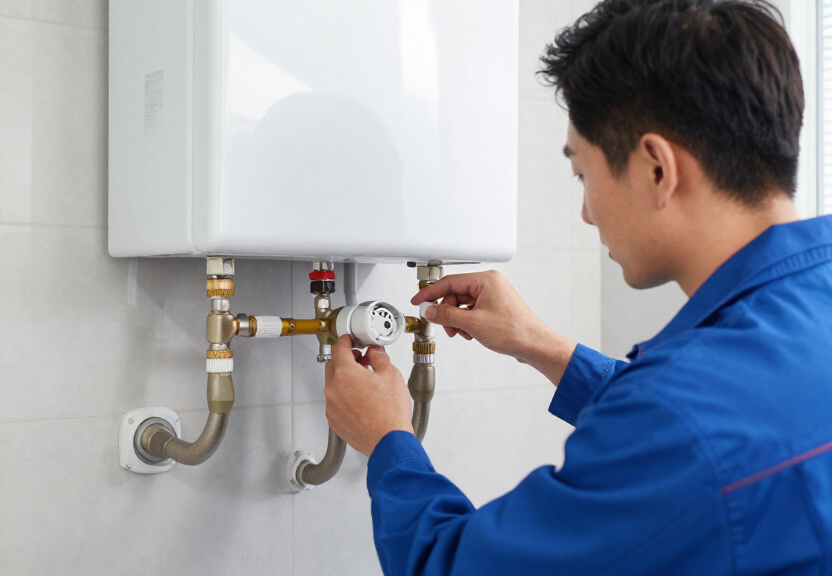
Water Heater in Westbrook
Westbrook's cold, snowy winters and moderate water hardness reduce water heater lifespans. Incoming water temperatures near 40°F force units to cycle frequently, accelerating tank corrosion and heating element wear.
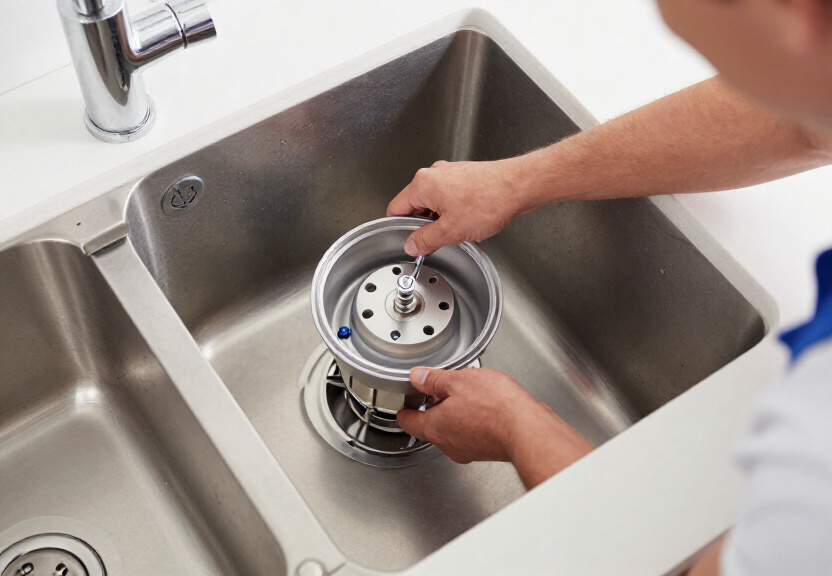
Garbage Disposal in Westbrook
Hard water mineral deposits and fibrous food waste from Maine's agricultural harvest strain Westbrook disposals. Blades jam when residents process potato peels or corn husks without sufficient water flow.
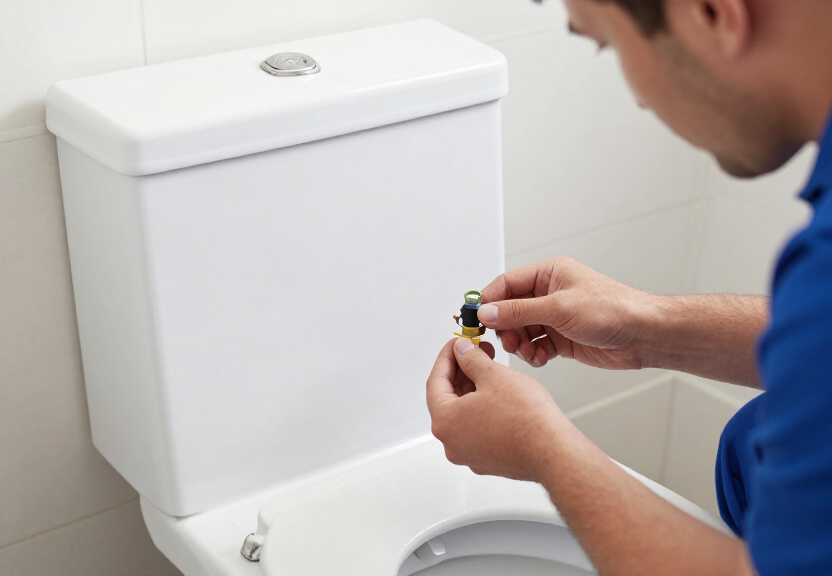
Toilet Repair in Westbrook
Mineral buildup from Westbrook's moderately hard water clogs rim jets and corrodes flapper valves. Older homes often have original ballcock assemblies that fail to seal properly, causing continuous running.
More Plumbing Solutions in Westbrook, ME
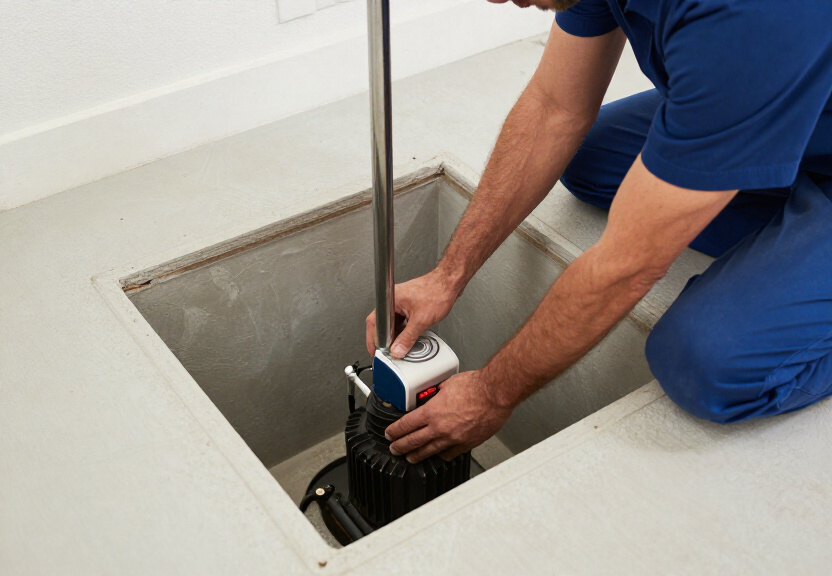
Sump Pump in Westbrook
Westbrook's clay-heavy soils and spring snowmelt create serious basement flooding risks. The Presumpscot River watershed contributes to high groundwater tables that overwhelm inadequate pumping systems.
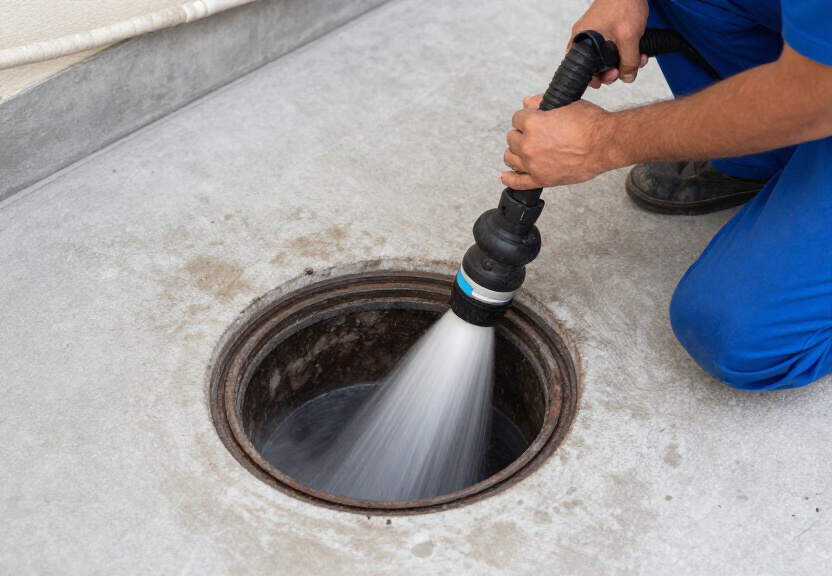
Sewer Cleaning in Westbrook
Mature oak and maple trees throughout Westbrook send roots into aging clay sewer laterals. Post-war neighborhoods with original Orangeburg pipe experience frequent collapses requiring professional clearing.
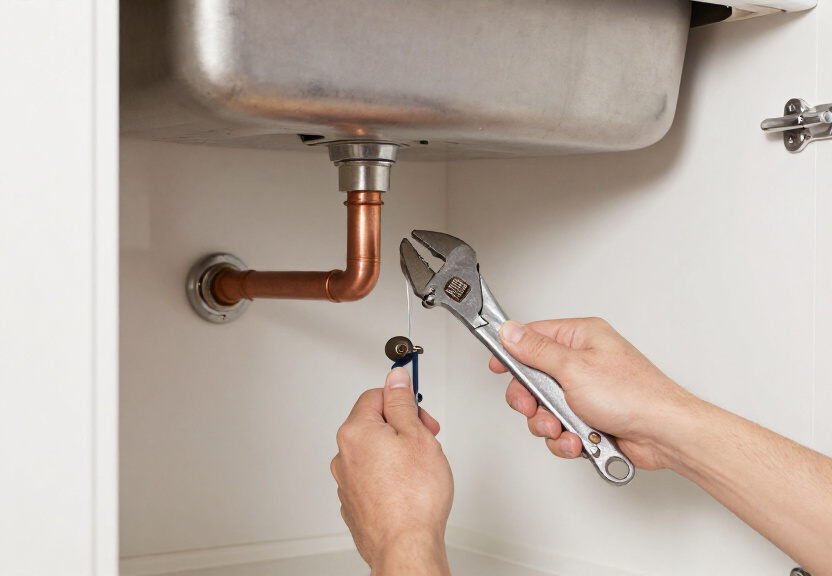
Pipe Leak Repair in Westbrook
Westbrook homes contain mixed pipe materials vulnerable to seasonal stress. Galvanized steel corrodes internally while copper develops pinholes from acidic water; freeze-thaw cycles exploit weak joints.
About Plumbing Service in Westbrook
Water hardness in Westbrook typically measures 3-5 grains per gallon—moderate but sufficient to cause measurable appliance degradation over time. Water heaters accumulate calcium sediment that reduces efficiency and eventually blocks drain valves, often requiring replacement years before tank failure. Garbage disposal grinding chambers develop mineral scaling that restricts food particle movement and accelerates motor burnout. Faucet aerators and showerheads clog with white deposits that reduce flow and create uneven spray patterns, while toilet siphon jets gradually narrow until complete replacement becomes necessary.
Westbrook homeowners should monitor several warning indicators that suggest professional evaluation. Discolored water—particularly rust-colored tinting after pipe disturbances—often signals corroding galvanized supply lines or deteriorating water heater tanks. Persistent low pressure affecting single fixtures points to localized blockages, while whole-house pressure drops may indicate main line leaks or municipal supply issues. Unusual sounds including hammering pipes, gurgling drains, or humming water heaters precede catastrophic failures. Slow drainage that resists consumer cleaning products suggests deeper obstructions or venting problems. Unexplained increases in water bills frequently reveal hidden leaks that waste thousands of gallons monthly.
The architectural heritage of Westbrook creates distinct plumbing vulnerability patterns across neighborhoods. Mill-era housing near the historic Cumberland Mills district contains century-old supply systems with lead service connections and cast iron drains susceptible to internal corrosion. Mid-century subdivisions built during the 1950s-60s population boom feature original copper systems now reaching end-of-design-life, with pinhole leaks appearing in aggressive water conditions. 1970s-80s construction introduced early plastic piping that becomes brittle with age, particularly in homes with original polybutylene supply lines now banned from new installation. Understanding your home's construction era helps anticipate likely failure modes and prioritize preventive maintenance.
Seasonal Plumbing Tips for Westbrook
Winter Protection: Westbrook's cold, snowy winters demand proactive pipe insulation, particularly in older homes with unheated crawl spaces and exterior walls. Water heaters strain continuously against near-freezing incoming water, making annual flushing and anode rod inspection essential for tank longevity. Homeowners should maintain minimum thermostat settings of 55°F even when away, and consider heat tape on vulnerable supply lines in historic mill district properties where original construction predates modern insulation standards.
Spring Readiness: The transition from cold, snowy winters to warm, humid summers brings rapid snowmelt and saturated ground conditions throughout Westbrook. Test sump pump operation before March thaws by pouring water into the pit and verifying automatic activation. Check discharge lines for ice damage or rodent nesting that occurred during winter dormancy. Basements in low-lying areas near the Presumpscot River should consider battery backup systems before spring rains combine with snowmelt to overwhelm primary pumps.
Summer Maintenance: Warm, humid summers increase water consumption and strain disposal systems during outdoor cooking season. Avoid grinding fibrous vegetables, bones, or grease from lobster boils that solidify in Westbrook's moderate-hardness water. Water heaters operate more efficiently with warmer incoming water, making summer ideal for tank flushing to remove accumulated sediment. Increased humidity also promotes condensation on cold water pipes—insulate basement lines to prevent moisture damage and mold growth.
Fall Preparation: Before Westbrook's cold, snowy winters return, disconnect and drain outdoor hose bibs to prevent freeze damage. Schedule sewer line camera inspection to identify root intrusion from mature neighborhood trees before ground freezing makes repairs difficult. Inspect water heater relief valves and expansion tanks before heating season demands peak performance. Clear gutters and foundation drains to direct melting snow away from basement walls, reducing sump pump workload during winter thaws.
Plumbing FAQ - Westbrook, ME
Tank water heaters in Westbrook's cold climate typically last 8-12 years due to accelerated sediment buildup and thermal stress from heating near-freezing incoming water.
Avoid fibrous vegetables, coffee grounds, eggshells, grease, and bones that combine with local water hardness to create persistent clogs and blade damage.
Running toilets usually result from mineral-degraded flapper valves, corroded fill valves, or misaligned tank chains that fail to seal properly after flushing.
Battery backup systems are strongly recommended in Westbrook due to frequent winter power outages during snowstorms and ice events that disable primary pumps when groundwater peaks.
Multiple slow drains, gurgling toilets when running water elsewhere, sewage odors, or lush patches in yards over buried lines suggest root intrusion or pipe collapse requiring professional camera inspection.
Licensed professionals employ acoustic listening devices, thermal imaging cameras, and pressure testing to locate leaks behind walls and under slabs without destructive exploration.
Confirm active Maine Plumber license, general liability insurance, workers compensation coverage, and specific experience with Northeast climate challenges and local water conditions.
Insulate exposed pipes, seal foundation penetrations, maintain minimum 55°F indoor temperatures, disconnect outdoor hoses, and schedule water heater maintenance before sustained freezing arrives.